
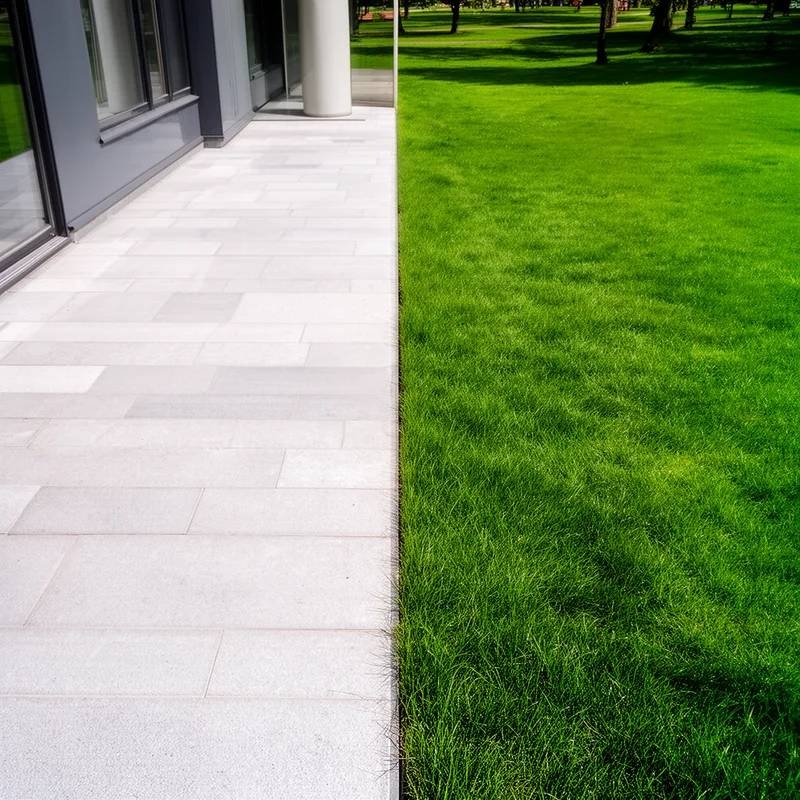
to abut
 7
6.9
7
6.9

- verb
- /əˈbət/
- The two houses abut each other, sharing a fence between their yards.
- abut residential areas
- abut a commercial district
- abut the CBD (area)
Loading YouTube…
Watch on YouTubeBecause this terror attack didn't just, it wasn't just awful where Hamas could reach there in the areas abutting the Gaza Strip.
- Because this terror attack didn't just, it wasn't just awful where Hamas could reach there in the areas abutting the Gaza Strip.
Examples
-
Their variable indicates whether or not a property abuts a transmission line.
Academic text (2017) -
Invariably, the instrument arms would abut one another and prevent complete freedom of motion.
Academic text (2005) -
It's abutting some critical structures.
-
His property abuts one of your landfills, Dry Run, and his cows have been getting sick.
-
Only the western boundary abuts territory that was part of Israel between 1949 and 1967.
Academic text (1990) -
Zone 1 is a coastal strip of land abutting the Pacific Ocean, and Zone 2 is farther inland.
Academic text (2000) -
A large, undeveloped section of River View abuts the campus of Lewis and Clark College.
Academic text (2006) -
Though zoned for general industrial use, the zoning district abuts residential areas.
Academic text (1994) -
The south part of the farm abuts Highway 3, a county road, from Flinerman's old place to the Bogh's.
Fiction book (1993) -
For example, the Security Center abuts the Security Building, which is in the Renaissance revival style (Fig. 4).
Academic text (1995)
Synonyms
 46
2.3
46
2.3
To be next to a country or area along a boundary
 33
5.2
33
5.2
Next to and touching another place, like a house next to a park
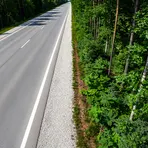 3
3.2
3
3.2
To be next to another place, sharing a border
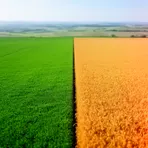 1
7.3
1
7.3
To be next to something and share a border


 1
9.1
1
9.1
To touch the edge of another piece of land or a building
 1
5.6
1
5.6
To be next to something and touch its edge
Antonyms


How Close

Surface Forms
Etymology
Abut comes from old words that mean 'to come to the end' or 'to touch at the edge', giving a picture of one thing reaching another. So, when land or a building abuts something, it literally touches it and shares the same border.