
suborder
- noun
- /ˈsʌbˌɔrdər/
- Specialized
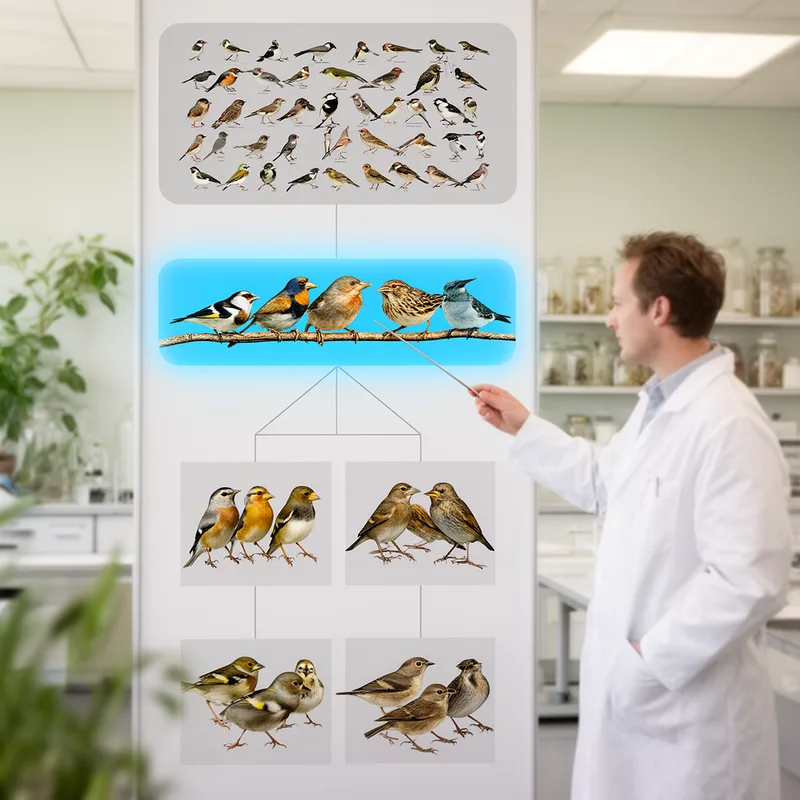
- The animal kingdom includes various suborders, each containing unique families of species.
Examples
-
As in previous compilations of nonindigenous insects, species in the suborder Sternorrhyncha represented more than 65% of the sap feeders on our list.
Academic text (2010) -
They're in the order Araneae, divided into three suborders.
-
Aphids, adelgids, and scale insects in the suborder Sternorrhyncha accounted for 69% of the Hemiptera and 28.6% of all species on the complete list.
Academic text (2010) -
One suborder of these fungi, Glomineae, also forms vesicles, or sack-like reservoirs, within plant cortical cells (Figure 1c).
Academic text (2001) -
Primates are classified into two suborders: Prosimii and Anthropoidea.
-
In biological taxonomy, a suborder ranks below an order and helps in the classification of organisms.
Compounds

- Specialized
A group of insects like dragonflies that fly strongly and hold their wings flat when resting


- Specialized
A group of animals that includes most crabs and has a small tail folded under the body

- Specialized
A group of early lizard-hipped dinosaurs that have certain bone features

- Specialized
A group of birds that live near water, like plovers and sandpipers

- Archaic
A former group of insects like aphids, cicadas, and leafhoppers that suck plant sap


- Specialized
A group of reptiles that includes true lizards like chameleons and geckos

- Specialized
A group of seabirds like gulls or terns, including jaegers and skimmers

- Archaic
An older group used by scientists for animals like lemurs and lorises

- Specialized
A group of birds called broadbills that live mainly in tropical Asia and Africa

- Specialized
Group of soft corals in the sea like red corals and sea fans that grow in tree-like branches


- Specialized
A large group of insects like water striders with front wings hard at the base and soft at the tip

- Specialized
Fish with hard plates and no jaws known from fossils that lived a very long time ago

- Specialized
A group some scientists use for migratory shorebirds, like sandpipers

- Specialized
A group of jawless fish that include hagfish and are different from lampreys
- Specialized
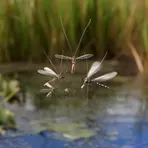
A group of slender flies with long thin antennae like mosquitoes and crane flies

- Specialized
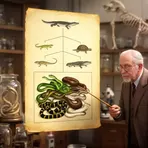
A group of extinct sea reptiles that lived in the Triassic period

- Archaic
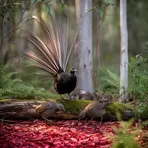
A group of large fruit bats like flying foxes that live in tropical regions

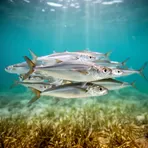
- Specialized
A group of fish with fins on the belly, like mullets and silversides

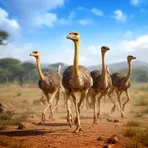

- Specialized
A group of land birds like bustards found in Europe, Asia, Africa, and Australia
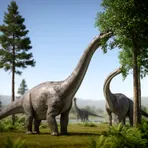
- Specialized
Very large dinosaurs that eat plants with long necks and small heads, like Apatosaurus and Diplodocus

- Specialized
A group of rodents that includes squirrels, beavers, and gophers


- Specialized
A group of reptiles that includes all snakes with long, legless bodies


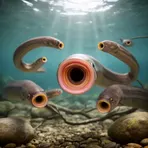
- Specialized
A group of jawless fish that includes lampreys with round sucking mouths

- Archaic
A group in older primate classifications that included lemurs and sometimes tarsiers but is not used by all scientists today
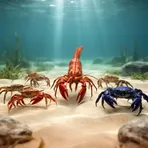
- Specialized
A group of sea animals like lobsters and crabs that walk on the sea floor


- Specialized
A group of meat-eating dinosaurs with short front legs from the Jurassic and Cretaceous
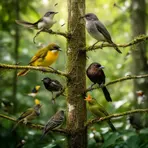
- Specialized
A large group of perching birds from the Americas, like flycatchers and antbirds

- Specialized
A group of mammals like armadillos, anteaters, and sloths from the Americas
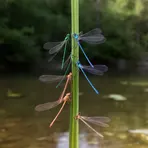
- Specialized
A group of insects that includes damselflies, small thin flying insects
Surface Forms
Morphology
Etymology
Suborder comes from the prefix sub- meaning 'under' or 'below' and the word order meaning 'group'. So a suborder is a group 'below' an order but 'above' a family, a useful middle level for scientists who sort similar animals or plants.

