
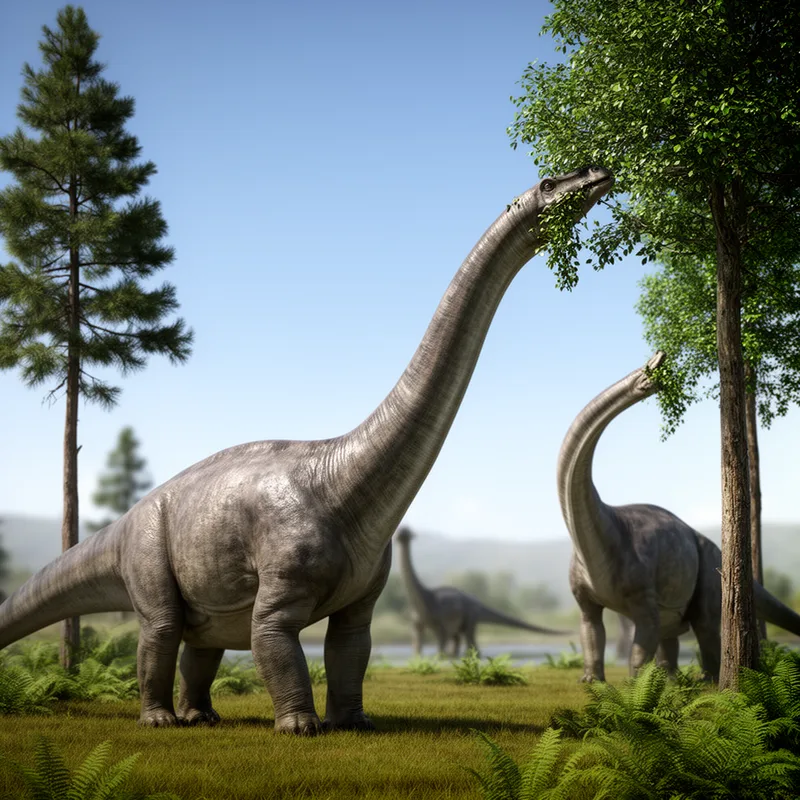
suborder Sauropodomorpha
- noun
- /ˈsʌbˌɔrdər ˌsɔrəˈpɒdəˌmɔrfə/
- Specialized
- The suborder Sauropodomorpha includes some of the largest land animals ever to have existed.
Examples
-
Scientists have discovered new fossils belonging to the suborder Sauropodomorpha in South America.
-
Apatosaurus and Diplodocus are well-known members of the suborder Sauropodomorpha.
-
The suborder Sauropodomorpha includes many famous dinosaurs.
-
Many paleontologists study the suborder Sauropodomorpha to understand dinosaur evolution.
-
Apatosaurus and Diplodocus are well-known members of the suborder Sauropodomorpha.
-
Scientists have discovered new fossils belonging to the suborder Sauropodomorpha in South America.
-
The suborder Sauropodomorpha includes some of the largest land animals ever to have existed.
Synonyms
A group of very large dinosaurs with long necks and small heads that eat plants
Surface Forms
Morphology
The phrase is fully compositional: it combines the taxonomic rank 'suborder' with the group name 'Sauropodomorpha', so a learner who knows both words can infer it refers to the suborder containing those herbivorous long-necked dinosaurs. Taxonomic naming is a regular, literal combination (rank + taxon), so the meaning is predictable from the constituents.
Etymology
Suborder Sauropodomorpha comes from Greek parts: sauro- meaning 'lizard', podo- meaning 'foot', and -morpha meaning 'form'. So the name paints the picture 'lizard-foot forms', and that's why suborder Sauropodomorpha refers to the group of giant, long-necked, plant-eating dinosaurs.

