
to skidoo

to skidoo

9.1
To leave quickly to avoid trouble or attention
  • verb
  • /skɪˈdu/
  • Archaic
translation icon : largarse
  • When the argument got heated, he decided to skidoo before things got worse.

Examples

  • As soon as the teacher entered the room, the students tried to skidoo quietly.

  • Let's skidoo before anyone notices us!

  • We should skidoo before the rain starts pouring down.

  • He decided to skidoo before the argument escalated.

  • When the argument got heated, he decided to skidoo before things got worse.

  • We should skidoo before the rain starts pouring down.

  • Let's skidoo before anyone notices us!

Synonyms

to get out of here
vsto skidoo
  • Informal
3.0

Leave a place quickly or suddenly

adds the idea of escaping attention or trouble to simple leaving
to run away
vsto skidoo
550 1.6

To leave secretly and quickly to get away from danger or control

focuses more on avoiding notice or minor trouble than long escape
to flee
vsto skidoo
331 2.4

To run away from a place because it is dangerous

covers quick escape but leans more toward avoiding attention than danger
to run off
vsto skidoo
  • Informal
260 3.7

To leave a place or person suddenly, often without saying goodbye

focuses more narrowly on avoiding attention or trouble when leaving
to bail
vsto skidoo
  • UK
247 7.1

Leave suddenly to avoid a responsibility or task

focuses more on escaping notice or trouble rather than shirking duty
to skip
vsto skidoo
  • Informal
147 3.7

To leave a place quickly and secretly to avoid trouble
matches that secrecy but stresses the informal playful tone of escape
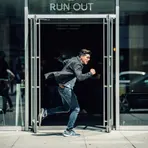
to run out
vsto skidoo
78 2.0

Leave a place suddenly, often to avoid someone or something

adds a clearer focus on avoiding trouble or appearing unnoticed
to make a run for it
vsto skidoo
  • Informal
36 5.3

To try to escape quickly, often by running

covers sudden leaving but with more emphasis on avoiding attention
to sneak off
vsto skidoo
  • Informal
33 4.0

Leave a place quietly so others do not notice

is similar but emphasizes escaping trouble or attention rather than secrecy alone
to slip away
vsto skidoo
32 3.4

To leave a place quietly without anyone noticing

is similar but stresses leaving to avoid trouble or attention generally
to scuttle
vsto skidoo
31 5.5

To move quickly with short hurried steps, often to hide or escape

is used for sudden departure aimed at avoiding notice or trouble
to skip town
vsto skidoo
  • Informal
28 8.1

Leave a place suddenly and secretly to avoid trouble or debt

is similar but often used more casually for avoiding attention
to rush off
vsto skidoo
20 3.8

Leave suddenly because you are in a hurry

implies leaving to avoid trouble or be unnoticed rather than mere haste
to hightail
vsto skidoo
  • Informal
18 8.3

To leave a place very quickly to escape danger or trouble

emphasizes avoidance of attention rather than just retreating quickly
to sneak away
vsto skidoo
  • Informal
17 3.6

To leave a place quietly without being noticed

is used more broadly for sudden leaving to avoid trouble or attention
to hightail it
vsto skidoo
  • Informal
16 8.4

To leave a place quickly to avoid trouble or danger

is similar but often used for avoiding attention rather than outright danger
to skedaddle
vsto skidoo
  • Informal
14 9.3

To run away quickly because you are afraid

is used more broadly for sudden leaving to avoid attention or trouble
to duck out
vsto skidoo
  • Informal
12 7.2

To leave a place quickly and quietly to avoid something you should do

is broader, covering leaving to avoid attention or trouble in general
to fly the coop
vsto skidoo
  • Informal
12 7.9

To leave a place suddenly without permission

is used more casually for quick departures to avoid attention
to fled the scene
vsto skidoo
11 4.4

Leave a place quickly to avoid being caught after causing or seeing trouble

is similar but covers quick leaving to avoid general attention or trouble
to get out of Dodge
vsto skidoo
  • Informal
7 9.2

Leave a place quickly to avoid trouble or danger

is similar but often stresses avoiding attention specifically
to run for the hills
vsto skidoo
  • Informal
7 5.6

To leave a place quickly to escape danger or trouble

is less about fleeing danger and more about avoiding notice or trouble
to bolt from
vsto skidoo
  • Informal
5 5.8

To leave a place suddenly and unexpectedly

is used when leaving quickly to avoid attention or trouble
to bolt out
vsto skidoo
  • Informal
5 4.9

Leave a place suddenly and quickly because you feel scared

places more emphasis on avoiding attention or trouble than surprise alone
to run out of town
vsto skidoo
5 6.6

Leave a place quickly because people are angry or you are in trouble

is used for sudden leaving to avoid attention rather than public disgrace
to make tracks
vsto skidoo
  • Informal
5 7.2

Leave quickly to go somewhere or to avoid trouble

specifies leaving to dodge attention or trouble rather than general haste
to high-tail
vsto skidoo
  • Informal
5 8.0

To leave a place very quickly to avoid danger or trouble

leans more toward escaping notice or minor trouble than full danger
to head for the hills
vsto skidoo
  • Informal
4 7.8

To run away quickly to escape danger

focuses more on avoiding attention or minor trouble than danger
to take a powder
vsto skidoo
  • Archaic
4 9.9

To leave a place suddenly without telling anyone to avoid trouble

shares secretive escape but highlights leaving to avoid attention
to vamoose
vsto skidoo
  • Informal
3 8.8

To leave quickly to avoid trouble or questions

adds the purpose of avoiding trouble or being noticed to quick leaving
to bug-out
vsto skidoo
  • Slang
3 8.2

To leave a place quickly to escape danger

is less formal and focuses on avoiding attention or trouble
to rush away
vsto skidoo
2 2.5

Leave a place quickly because you are in a hurry

implies leaving to avoid trouble or be unnoticed rather than mere haste
to blow town
vsto skidoo
  • Informal
2 9.8

To leave a place quickly to avoid trouble

focuses more on avoiding attention or trouble than casual departure
to evac
vsto skidoo
  • Jargon
1 8.1

To leave a place quickly to be safe

is less formal and often used for avoiding attention or trouble
to dip out
vsto skidoo
  • Informal
1 9.1

To leave a place quietly or suddenly without telling others

is broader and highlights avoiding attention rather than just duties
to scat
vsto skidoo
  • Archaic
1 9.1

Leave quickly, often because you are scared

is aimed specifically at escaping notice or trouble rather than casual leaving
to skitter away
vsto skidoo
1 5.8

To move quickly and lightly away, often because something scares you

is used for sudden escape motivated by avoiding notice or trouble
to beat a retreat
vsto skidoo
1 6.0

To leave a place quickly to avoid danger or trouble

is more casual and focuses on avoiding attention rather than formal withdrawal
to take to one's heels
vsto skidoo
  • Informal
1 6.1

Run away quickly to escape danger or trouble

is less about danger and more about avoiding notice or minor trouble
to skiddoo
vsto skidoo
  • Archaic
9.9

To leave quickly to escape trouble

is the informal term stressing sudden escape to avoid attention
to absquatulate
vsto skidoo
  • Archaic
9.9

To leave a place quickly and secretly, often taking things or someone

focuses more narrowly on escaping notice or trouble without extras
to make a bolt
vsto skidoo
6.8

To run away quickly, usually because you are afraid

adds the motive of avoiding trouble or attention to a sudden exit
8.3

Run away quickly to avoid danger or trouble

is more general and often used for avoiding attention or trouble
to go offski
vsto skidoo
  • Slang
9.9

To leave a place suddenly, usually to go somewhere else

is usually used when leaving to avoid attention or trouble
to beetle off
vsto skidoo
  • UK
9.8

To leave quickly and quietly without being noticed

is broader and stresses escaping trouble or unwanted notice

Antonyms

1.0

To remain in one place and not leave

How Fast

to rush off
20 3.8
to skidoo
  • Archaic
9.1
to run off
  • Informal
260 3.7
to leave
1.0
to go
1.0

Surface Forms

skidoo infinitive
skidooed past
skidooed past participle
skidooing present participle
skidoos third person singular

Etymology

Skidoo as a verb comes from an old American slang phrase 23 skidoo, a quick way people once told someone to go away. So to skidoo today is to 'leave suddenly' or go away fast, often to avoid trouble.