to fled the scene

to fled the scene

11 4.4
Leave a place quickly to avoid being caught after causing or seeing trouble
  • phrasal verb
translation icon : darse a la fuga
  • The suspect then fled the scene in an unknown vehicle and remains at large.
  • fled the scene of an accident
  • quickly fled the scene
  • fled the scene on foot

Examples

  • A New York cab driver is alleged to have fled the scene of a car accident.

    Blog text (31)
  • According to Department of Public Safety records, he has fled the scene two other times.

    Blog text (8)
  • And the three people they were holding up in fact fled the scene.

  • Some woman fled the scene.

  • The suspect fled the scene.

  • The first suspect took $18 from the owner, and both men fled the scene.

    Blog text (33)
  • They said you fled the scene of an accident.

  • At least 15 youths fled the scene after hitting two victims.

    Blog text (5)
  • After the shooting, Cutajar fled the scene in a rental car.

    Blog text (26)
  • After the bank robbery, the suspect quickly fled the scene to avoid capture.

Synonyms

to get out of here
vsto fled the scene
  • Informal
3.0

Leave a place quickly or suddenly

is used more specifically for leaving to avoid being caught after an incident
to run away
vsto fled the scene
550 1.6

To leave secretly and quickly to get away from danger or control

is more specific to leaving to avoid being caught after witnessing or committing
to flee
vsto fled the scene
331 2.4

To run away from a place because it is dangerous

is used more for leaving to avoid being caught after an incident
to run off
vsto fled the scene
  • Informal
260 3.7

To leave a place or person suddenly, often without saying goodbye

is used more for leaving to avoid being caught after committing or witnessing an incident
to bail
vsto fled the scene
  • UK
247 7.1

Leave suddenly to avoid a responsibility or task

is less about escaping capture and more about abandoning duties or plans
to skip
vsto fled the scene
  • Informal
147 3.7

To leave a place quickly and secretly to avoid trouble
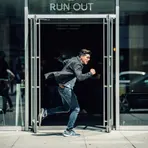
is used more for leaving to avoid being caught after committing or witnessing an incident
to run out
vsto fled the scene
78 2.0

Leave a place suddenly, often to avoid someone or something

is used more specifically for leaving to avoid being caught after an incident
to make a run for it
vsto fled the scene
  • Informal
36 5.3

To try to escape quickly, often by running

is used when leaving quickly to avoid being caught after an incident
to sneak off
vsto fled the scene
  • Informal
33 4.0

Leave a place quietly so others do not notice

is used more for leaving to avoid being caught after an incident
to skip town
vsto fled the scene
  • Informal
28 8.1

Leave a place suddenly and secretly to avoid trouble or debt

is often used for leaving to avoid being caught after wrongdoing
to rush off
vsto fled the scene
20 3.8

Leave suddenly because you are in a hurry

is less about escaping capture and more about hurrying away for other reasons
to make off
vsto fled the scene
19 6.4

To run away quickly after stealing or committing a crime

is used more generally for leaving to avoid being caught after an incident
to hightail
vsto fled the scene
  • Informal
18 8.3

To leave a place very quickly to escape danger or trouble

is used more for leaving to avoid being caught after an incident
to sneak away
vsto fled the scene
  • Informal
17 3.6

To leave a place quietly without being noticed

is used more for leaving to avoid being caught after committing or witnessing
to hightail it
vsto fled the scene
  • Informal
16 8.4

To leave a place quickly to avoid trouble or danger

is similar but often used for leaving to avoid being caught after an incident
to skedaddle
vsto fled the scene
  • Informal
14 9.3

To run away quickly because you are afraid

is used more broadly for leaving to avoid capture after wrongdoing
to duck out
vsto fled the scene
  • Informal
12 7.2

To leave a place quickly and quietly to avoid something you should do

is used for leaving to avoid being caught after committing or witnessing an incident
to fly the coop
vsto fled the scene
  • Informal
12 7.9

To leave a place suddenly without permission

is used more for leaving to avoid being caught after an incident
to abscond
vsto fled the scene
  • Formal
11 8.5

To leave quickly and secretly with money or things to avoid being caught

is used for leaving to avoid being caught after committing or witnessing an incident
to run for the hills
vsto fled the scene
  • Informal
7 5.6

To leave a place quickly to escape danger or trouble

is used more for leaving to avoid being caught after an incident
to get out of Dodge
vsto fled the scene
  • Informal
7 9.2

Leave a place quickly to avoid trouble or danger

is used for leaving to avoid being caught after committing or witnessing an incident
to bolt out
vsto fled the scene
  • Informal
5 4.9

Leave a place suddenly and quickly because you feel scared

is used more for leaving to avoid capture after wrongdoing or witnessing
to bolt from
vsto fled the scene
  • Informal
5 5.8

To leave a place suddenly and unexpectedly

is focused on leaving to avoid being caught after committing or seeing an incident
to run out of town
vsto fled the scene
5 6.6

Leave a place quickly because people are angry or you are in trouble

is used to describe leaving quickly to avoid capture after an incident
to make tracks
vsto fled the scene
  • Informal
5 7.2

Leave quickly to go somewhere or to avoid trouble

is about leaving to avoid being caught after committing or witnessing an incident
to high-tail
vsto fled the scene
  • Informal
5 8.0

To leave a place very quickly to avoid danger or trouble

is used also for leaving to escape being caught after committing or witnessing
to decamp
vsto fled the scene
4 8.5

To leave a place quickly and secretly to avoid being caught

is focused on quick escape to avoid capture after committing or witnessing an incident
to head for the hills
vsto fled the scene
  • Informal
4 7.8

To run away quickly to escape danger

is used specifically for leaving to avoid being caught after witnessing or acting
to bug-out
vsto fled the scene
  • Slang
3 8.2

To leave a place quickly to escape danger

is used for leaving to avoid being caught after committing or witnessing an incident
to vamoose
vsto fled the scene
  • Informal
3 8.8

To leave quickly to avoid trouble or questions

is used more often for leaving to avoid being caught after committing or witnessing
to blow town
vsto fled the scene
  • Informal
2 9.8

To leave a place quickly to avoid trouble

is used often for leaving to avoid being caught after committing or witnessing
to rush away
vsto fled the scene
2 2.5

Leave a place quickly because you are in a hurry

is not mainly about avoiding capture but about acting in haste
to evac
vsto fled the scene
  • Jargon
1 8.1

To leave a place quickly to be safe

is about leaving for safety in emergencies not to avoid being caught
to scarper
vsto fled the scene
  • UK
1 9.7

To run away quickly to avoid trouble

is similar but often used for leaving to avoid being caught after an incident
to take to one's heels
vsto fled the scene
  • Informal
1 6.1

Run away quickly to escape danger or trouble

is more specific to leaving to avoid capture after committing or witnessing
to beat a retreat
vsto fled the scene
1 6.0

To leave a place quickly to avoid danger or trouble

is similar but focuses on escape to avoid being caught after an incident
to absquatulate
vsto fled the scene
  • Archaic
9.9

To leave a place quickly and secretly, often taking things or someone

is used about leaving to avoid being caught after an event
to make a bolt
vsto fled the scene
6.8

To run away quickly, usually because you are afraid

is used especially for leaving to avoid being caught after an incident
to bolt down
vsto fled the scene
  • Informal
6.1

To run away quickly, usually because you are afraid

is used particularly for leaving to avoid being caught after an alarming event
to skidoo
vsto fled the scene
  • Archaic
9.1

To leave quickly to avoid trouble or attention

is used similarly but often for leaving to avoid being caught after an incident

Antonyms

1.0

To remain in one place and not leave

1.0

To stay in the same place or state and not change

How Fast

to bolt
69 2.3
to fled the scene
11 4.4
to run away
550 1.6
to slip away
32 3.4
to leave
1.0
to walk away
632 3.5

Surface Forms

flee infinitive
fleeing present participle
flees third person singular
fled past

Morphology

flee + the + scene

The meaning 'to leave a place quickly' is directly and transparently derived from combining 'flee' (to escape rapidly) with 'scene' (the place where events occur); a B1 learner who knows both constituents can readily infer the basic sense. The specific criminological nuance (avoiding being caught after an incident) is a pragmatic extension but does not make the expression non-compositional.

Etymology

The phrase fled the scene shows a clear picture: someone has fled (run away) from the scene (the place where something happened). So it means 'to leave a place quickly, especially to avoid being caught'.