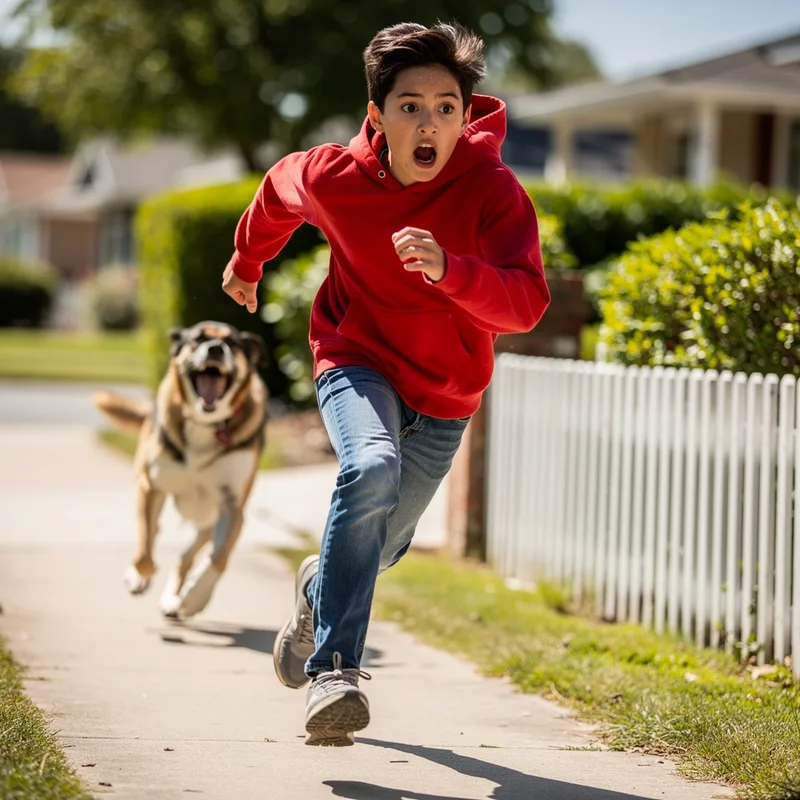
to skedaddle

to skedaddle

14 9.3
To run away quickly because you are afraid
  • verb
  • /skɪˈdædəl/
  • Informal
translation icon : salir corriendo
  • When the storm approached, we decided to skedaddle home as fast as we could.
  • just skedaddle
  • gotta skedaddle
  • Let's skedaddle

So I pay for our drinks and you told him to skedaddle Scoop.

Examples

Synonyms

to run away
vsto skedaddle
550 1.6

To leave secretly and quickly to get away from danger or control

is usually a quick, panicked escape rather than secretive intent
to flee
vsto skedaddle
331 2.4

To run away from a place because it is dangerous

is usually a panicked, fearful quick departure
to run off
vsto skedaddle
  • Informal
260 3.7

To leave a place or person suddenly, often without saying goodbye

is often panicked and hurried rather than planned secret departure
to run out
vsto skedaddle
78 2.0

Leave a place suddenly, often to avoid someone or something

is generally a panicked, quick escape rather than casual leaving
to bolt
vsto skedaddle
69 2.3

To run away suddenly to escape danger

is usually a panicked, informal flight rather than steady withdrawal
to scurry
vsto skedaddle
54 3.1

To move quickly with short, hurried steps because you feel afraid or rushed

is broader, covering full-speed flight rather than small step movement
to make a run for it
vsto skedaddle
  • Informal
36 5.3

To try to escape quickly, often by running

is often panicked and hurried rather than a calm plan
to scuttle
vsto skedaddle
31 5.5

To move quickly with short hurried steps, often to hide or escape

is usually a more panicked, open escape rather than unnoticed motion
to scoot
vsto skedaddle
  • Informal
29 2.8

Move a short distance quickly, often to make room or hurry
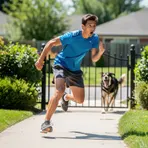
is more about panicked escape than playful or casual speed
to hightail it
vsto skedaddle
  • Informal
16 8.4

To leave a place quickly to avoid trouble or danger

is usually more panicked and informal than a steady exit
to fled the scene
vsto skedaddle
11 4.4

Leave a place quickly to avoid being caught after causing or seeing trouble

is usually a panicked escape, not limited to avoiding capture
to turn tail
vsto skedaddle
7 7.0

To run away quickly because you are afraid

is typically a panicked retreat rather than a steady withdrawal
to run for the hills
vsto skedaddle
  • Informal
7 5.6

To leave a place quickly to escape danger or trouble

is often more panicked and immediate than deliberate retreat
to bolt from
vsto skedaddle
  • Informal
5 5.8

To leave a place suddenly and unexpectedly

is typically a frantic escape driven by fear rather than plan
to bolt out
vsto skedaddle
  • Informal
5 4.9

Leave a place suddenly and quickly because you feel scared

is usually a panicked, hurried flight rather than calm exit
to make tracks
vsto skedaddle
  • Informal
5 7.2

Leave quickly to go somewhere or to avoid trouble

is usually a hurried, panic-driven escape rather than casual leaving
to high-tail
vsto skedaddle
  • Informal
5 8.0

To leave a place very quickly to avoid danger or trouble

is a more frantic, fear-driven movement rather than calm retreat
to head for the hills
vsto skedaddle
  • Informal
4 7.8

To run away quickly to escape danger

is used for hurried, panic‑driven flight rather than calm leaving
to stampede
vsto skedaddle
4 4.4

To make a group run suddenly because of fear or excitement

is an individual panicked flight rather than mass movement caused by others
to bug-out
vsto skedaddle
  • Slang
3 8.2

To leave a place quickly to escape danger

is often more panicked and immediate rather than measured evacuation
scamper
vsto skedaddle
3 4.3

A quick, playful run using small, hurried steps

is usually a fearful, panicked leaving rather than playful motion
to rush away
vsto skedaddle
2 2.5

Leave a place quickly because you are in a hurry

is more often a panicked escape rather than just hurrying for other reasons
to beat feet
vsto skedaddle
  • Slang
2 9.0

To leave quickly to escape or avoid something

is more panicked and hurried rather than an orderly departure
to leg it
vsto skedaddle
  • UK
1 9.0

Move quickly on foot to escape or reach a place fast

is usually more frantic and hurried than normal fast travel
to scat
vsto skedaddle
  • Archaic
1 9.1

Leave quickly, often because you are scared

is typically a panicked escape motivated by fear rather than casual dismissal
to skitter away
vsto skedaddle
1 5.8

To move quickly and lightly away, often because something scares you

is a panicked, full-speed escape rather than light motion
to scarper
vsto skedaddle
  • UK
1 9.7

To run away quickly to avoid trouble

is usually more panicked and urgent than a planned departure
to scutter
vsto skedaddle
  • UK
1 8.2

To move quickly with short, hurried steps when you feel nervous

is a broad, panic-driven departure rather than small nervous steps
to take to one's heels
vsto skedaddle
  • Informal
1 6.1

Run away quickly to escape danger or trouble

is typically frantic and motivated by sudden fear rather than calm exit
to run a mile
vsto skedaddle
  • Informal
1 7.1

Move away quickly to avoid something you are afraid of

is often more panicked and immediate rather than mere avoidance
to beat a retreat
vsto skedaddle
1 6.0

To leave a place quickly to avoid danger or trouble

is often a panicked withdrawal rather than a planned retreat
to pelt down
vsto skedaddle
  • Informal
1 7.2

To run or move very quickly without control

is generally more panicked and aimed at escaping danger rather than speed
to take to the woods
vsto skedaddle
  • Informal
8.6

Run quickly into the woods to escape danger

is generally a panicked escape aimed at getting away fast
to bolt down
vsto skedaddle
  • Informal
6.1

To run away quickly, usually because you are afraid

is typically a fear-driven, hurried escape rather than casual leaving
to make a bolt
vsto skedaddle
6.8

To run away quickly, usually because you are afraid

is more about panicked escape than merely unexpected leaving
to skidoo
vsto skedaddle
  • Archaic
9.1

To leave quickly to avoid trouble or attention

is typically a quick, panicked departure rather than careful planning
to do the dash
vsto skedaddle
  • UK
9.3

To run away quickly to avoid being caught

is often more hurried and panicked than a simple exit
to absquatulate
vsto skedaddle
  • Archaic
9.9

To leave a place quickly and secretly, often taking things or someone

is usually a panic-driven escape, not necessarily secretive or theft
scurrying
vsto skedaddle
5.2

To move quickly with short, hurried steps because of fear

is more about overall fast escape rather than small quick steps
to skelter
vsto skedaddle
  • Archaic
9.6

To move quickly in a confused way

is often a panicked escape with fear rather than mere confusion

Antonyms

to stay put
  • Informal
133 2.0

Remain in the same place without moving

How Quickly

bolt
34 2.9
to flee
331 2.4
to skedaddle
  • Informal
14 9.3
to run away
550 1.6
to walk away
632 3.5

Surface Forms

skedaddle infinitive
skedaddled past
skedaddled past participle
skedaddling present participle
skedaddles third person singular

Etymology

Skedaddle began as American slang in the 1800s and sounds like a sudden, noisy rush to leave. A helpful way to remember it is to imagine feet pounding away in a hurry, so skedaddle means 'to run away quickly'.