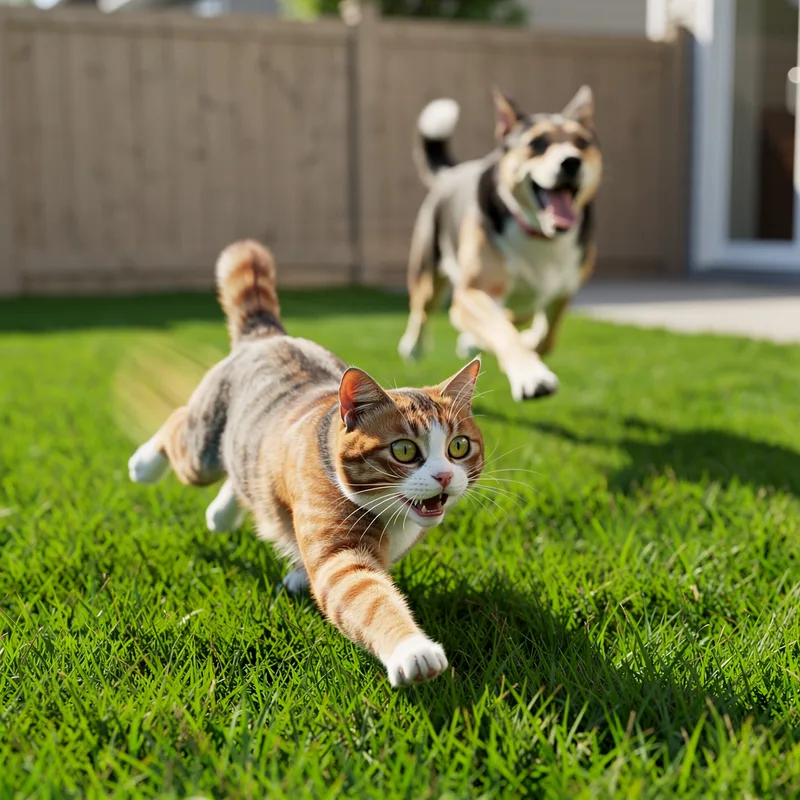
to scat

to scat

1 9.1
Leave quickly, often because you are scared
  • verb
  • /skæt/
  • Archaic
translation icon : largarse
  • How come when Archy freed the others, you didn't scat outta here with 'em?

Examples

  • When he saw the bear approaching, he decided to scat into the woods.

  • I'm a small town, so up go my fists and they scat.

    Fiction book (2000)
  • You better scat on home.

  • Are you sure he wasn't telling you to scat?

  • Keep 'em busy, angel, I've got to scat.

    Fiction book (1992)
  • The kids quickly scat when they heard the thunder rumbling in the distance.

  • After the noise from the crowd, she told everyone to scat before it got too dangerous.

Synonyms

to run
vsto scat
1.0

To move a boat fast in the same direction as the wind

is sudden leaving but specifically informal and immediate in tone
to escape
vsto scat
1.0

To get away from a place where you are kept or are in danger

is a quick informal leaving but more colloquial and abrupt
to run away
vsto scat
550 1.6

To leave secretly and quickly to get away from danger or control

is to go away quickly but not always secretly or from control
to flee
vsto scat
331 2.4

To run away from a place because it is dangerous

is informal sudden leaving but can be used more playfully
to bolt
vsto scat
69 2.3

To run away suddenly to escape danger

is informal sudden leaving but not always to escape danger
to scurry
vsto scat
54 3.1

To move quickly with short, hurried steps because you feel afraid or rushed

is to go away suddenly but not specifically with tiny steps
to scuttle
vsto scat
31 5.5

To move quickly with short hurried steps, often to hide or escape

is quick departure but without the unnoticed, furtive tone
to scoot
vsto scat
  • Informal
29 2.8

Move a short distance quickly, often to make room or hurry

is sudden leaving but usually less playful and more urgent
to scram
vsto scat
  • Informal
21 8.2

Leave a place right away, often because someone orders you to

is informal leaving quickly but not only used as a command
to rush off
vsto scat
20 3.8

Leave suddenly because you are in a hurry

is quick sudden leaving but can be spontaneous rather than planned
to hightail it
vsto scat
  • Informal
16 8.4

To leave a place quickly to avoid trouble or danger

is informal quick leaving but used in more general contexts
to skedaddle
vsto scat
  • Informal
14 9.3

To run away quickly because you are afraid

is a quick leaving action but can be less panicked
to buzz off
vsto scat
  • Offensive
12 8.4

To tell someone to go away right away in a rude or angry way

is an informal quick leaving but usually more blunt and commanding
to shove off
vsto scat
  • Informal
12 7.7

Leave a place quickly, often in a rude way

is sudden leaving but usually without the rude or dismissive tone
to fly the coop
vsto scat
  • Informal
12 7.9

To leave a place suddenly without permission

is quick departure but not limited to leaving an expected place
to fled the scene
vsto scat
11 4.4

Leave a place quickly to avoid being caught after causing or seeing trouble

is quick leaving but not always tied to avoiding capture after incidents
to turn tail
vsto scat
7 7.0

To run away quickly because you are afraid

is informal sudden leaving but less focused on shame or defeat
to bolt out
vsto scat
  • Informal
5 4.9

Leave a place suddenly and quickly because you feel scared

is quick sudden leaving but more general and informal
to bolt from
vsto scat
  • Informal
5 5.8

To leave a place suddenly and unexpectedly

is sudden leaving but can be used more broadly
to break away
vsto scat
5 3.6

To escape suddenly from control, capture, or a group

is quick leaving but not necessarily a break from authority
to head for the hills
vsto scat
  • Informal
4 7.8

To run away quickly to escape danger

is quick departure but not always specifically to avoid danger
to rush away
vsto scat
2 2.5

Leave a place quickly because you are in a hurry

is informal sudden fleeing but can imply escape rather than haste
to bunk
vsto scat
  • UK
2 9.6

To leave without paying, often on a bus or train

is quick departure but not always tied to evading money matters
to skitter away
vsto scat
1 5.8

To move quickly and lightly away, often because something scares you

is quick leaving but focuses less on light, skittering movement
to scarper
vsto scat
  • UK
1 9.7

To run away quickly to avoid trouble

is quick informal departure but may be less tied to trouble
to pop off
vsto scat
  • UK
1 7.9

To leave a place quickly, often without saying goodbye

is informal sudden leaving but not necessarily without notice
to make a bolt
vsto scat
6.8

To run away quickly, usually because you are afraid

is sudden leaving but more general and less formal
to take to the woods
vsto scat
  • Informal
8.6

Run quickly into the woods to escape danger

is sudden leaving but not necessarily toward secluded areas
to beetle off
vsto scat
  • UK
9.8

To leave quickly and quietly without being noticed

is quick leaving but can be louder or more visible
to lam
vsto scat
  • Slang
9.9

To run away quickly to avoid being caught by the police

is to go away suddenly but not always to avoid authorities
to absquatulate
vsto scat
  • Archaic
9.9

To leave a place quickly and secretly, often taking things or someone

is quick informal leaving but less often implies taking others
to skidoo
vsto scat
  • Archaic
9.1

To leave quickly to avoid trouble or attention

is quick departure but can be more direct and less evasive

Antonyms

1.0

To remain in one place and not leave

207 3.7

To stay in a place longer than expected because you do not want to leave

Compounds

scat singing
  • Specialized
1 8.5

Singing with made-up sounds to make new jazz melodies like an instrument

How Fast

sprint
55 2.1
to bolt
69 2.3
to run
1.0
to scat
  • Archaic
1 9.1
to hurry
1.0
to leave
1.0

Surface Forms

scat infinitive
scatted past
scatted past participle
scatting present participle
scats third person singular

Etymology

Scat as a quick order to 'go away' is a short, sharp command like 'shoo' and is related to the idea of scatter, which means 'move apart'. So when someone says scat, they are telling you to leave suddenly.