
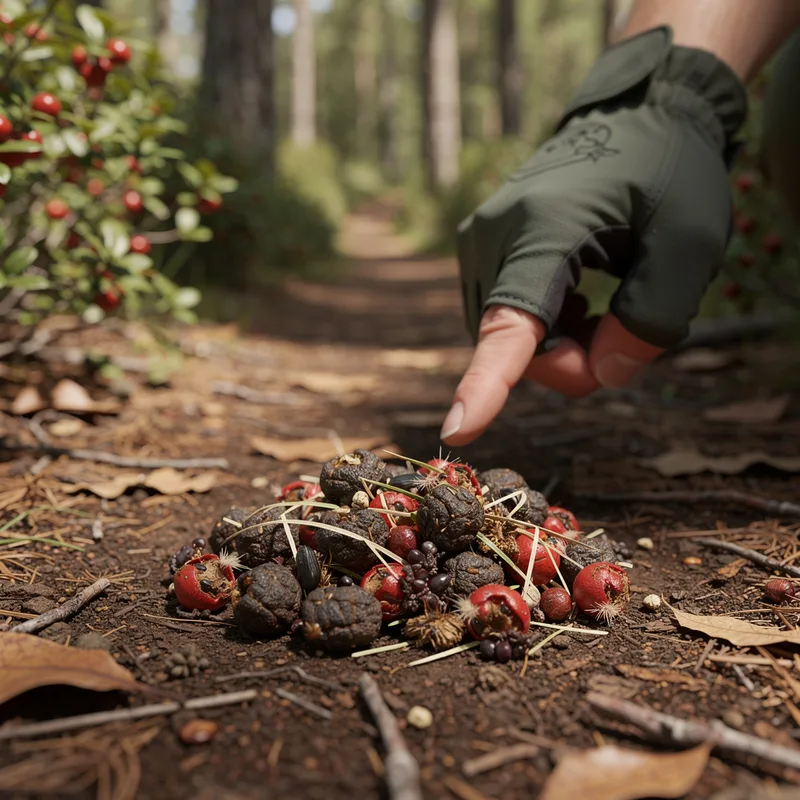
scat
 10
8.8

- noun
- /skæt/
- Specialized
- The naturalist showed us the different types of scat left by various animals to help with species identification.
- tracks and scats
- bear scat
- scat samples
Loading YouTube…
Watch on YouTubeYeah, the same sort of compounds that you find in scat in incredibly small amounts contribute to the wonderful flavor of really good pork.
- Yeah, the same sort of compounds that you find in scat in incredibly small amounts contribute to the wonderful flavor of really good pork.
- Places if you have like a lot of cats in the area around your raised beds where there might be a lot of cat scat, stuff like that, cat scat, stuff like that.
Examples
-
Along the way, we stopped to examine a pile of bear scat to see what it had been feeding on.
Academic text (2001) -
People assume you can get DNA out of scat, but it's not as easy as you think.
Blog text (2) -
First, I need to see if we can find some scat.
-
I found some fresh scat.
-
I hear them every night, have seen their tracks and collected their scat.
-
There were fresh wolf tracks in the dust and some scat too.
Fiction book (1998) -
In this remote canyon, where they now were, they had found wolf tracks and scat, though neither was fresh.
Fiction book (1998) -
Almost straightaway they'd found fresh wolf scat and tracks.
Fiction book (1998) -
We found ourselves crawling on hands and knees across massive bear tracks and through mud, scat, and the foul-smelling remains of salmon.
Fiction book (2002) -
To our dismay, we found the pad of a bear cub in the scat—a reminder of the ways of nature.
Academic text (2001)
Synonyms
 43
2.8
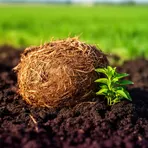
The waste animals produce that is often used to fertilize soil
 24
3.7
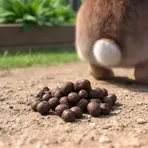
Small piles or pellets of animal poop


 1
9.9
Droppings of a hunted animal that people use to track it
Compounds

- Specialized
1
8.5
Singing with made-up sounds to make new jazz melodies like an instrument
How Big
- Specialized
1
9.9

- Specialized
10
8.8
Surface Forms
Etymology
Scat as a noun for animal droppings comes from old words for 'dung'. So scat names the small piles animals leave behind, which people study to learn which animals have been nearby.