
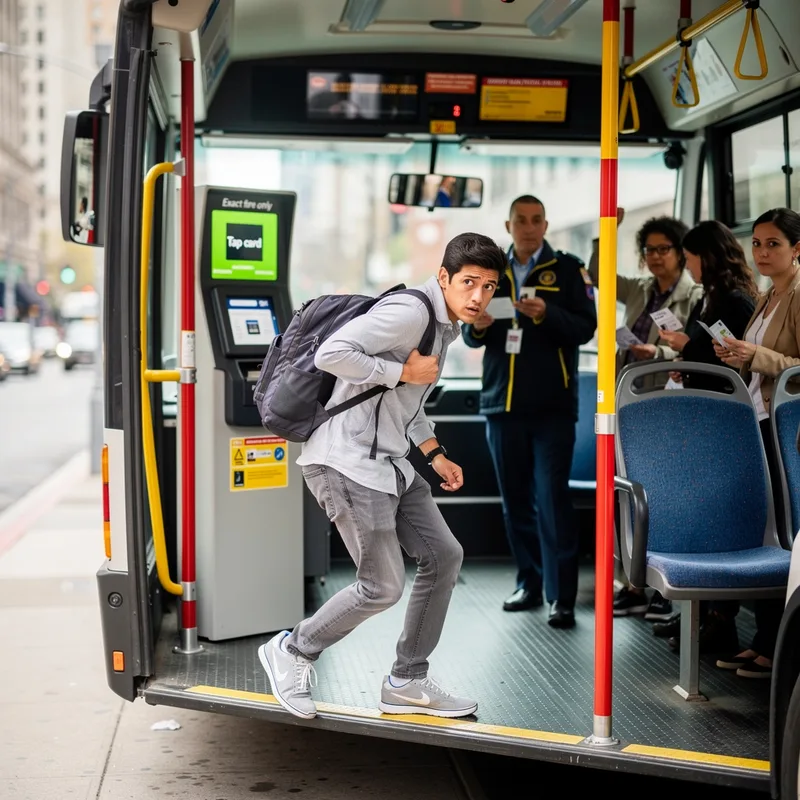
to bunk
 2
9.6
2
9.6

- verb
- /bʌŋk/
- UK
- I know how storms scare you, Penelope, so I thought I'd kinda bunk out here.
Examples
-
When the police arrived, she chose to bunk out the back door to escape.
-
With Joe bunking with the 7-Eleven killer, my need to find out more about Mitch had become urgent.
Fiction book (1991) -
I'll go bunk out for a while.
-
You mind if I bunk out at your pop's place for a few days?
-
Or you might be bunking off, in which case, good on you.
-
She said she'd bunk out around 10:00.
-
Okay, Enzo, you're gonna bunk with Uncle Mike tonight.
-
Who do ya think you"re bunking with here, princess?
-
Where did you bunk?
-
He decided to bunk out of school to enjoy a day at the beach.
Synonyms
 ∞
1.0
∞
1.0
To move a boat fast in the same direction as the wind
 ∞
1.0
∞
1.0
To get away from a place where you are kept or are in danger
 550
1.6
550
1.6
To leave secretly and quickly to get away from danger or control
 28
8.1
28
8.1
Leave a place suddenly and secretly to avoid trouble or debt
 16
8.4
16
8.4
To leave a place quickly to avoid trouble or danger
 12
7.2
12
7.2
To leave a place quickly and quietly to avoid something you should do
 12
7.9
12
7.9
To leave a place suddenly without permission
 7
7.0
7
7.0
To run away quickly because you are afraid
 5
3.6
5
3.6
To escape suddenly from control, capture, or a group
 4
7.8
4
7.8
To run away quickly to escape danger
 1
9.1
1
9.1
Leave quickly, often because you are scared
 1
9.7
1
9.7
To run away quickly to avoid trouble


 1
9.8
1
9.8
Stay away from school or work without permission to do something more fun

To run away quickly to avoid being caught by the police

Run quickly into the woods to escape danger
Antonyms


Phrasal Verbs

Compounds


How Secretive
- Formal
11
8.5

- Informal
17
3.6
- UK
2
9.6
69
2.3
∞
1.0
Surface Forms
Etymology
A helpful way to remember the verb bunk meaning to avoid paying or run off is to think of someone slipping away quickly to escape trouble or a bill; over time bunk came to mean dodging payment or running away. That's why you can say someone 'bunked' the train when they left without paying.