
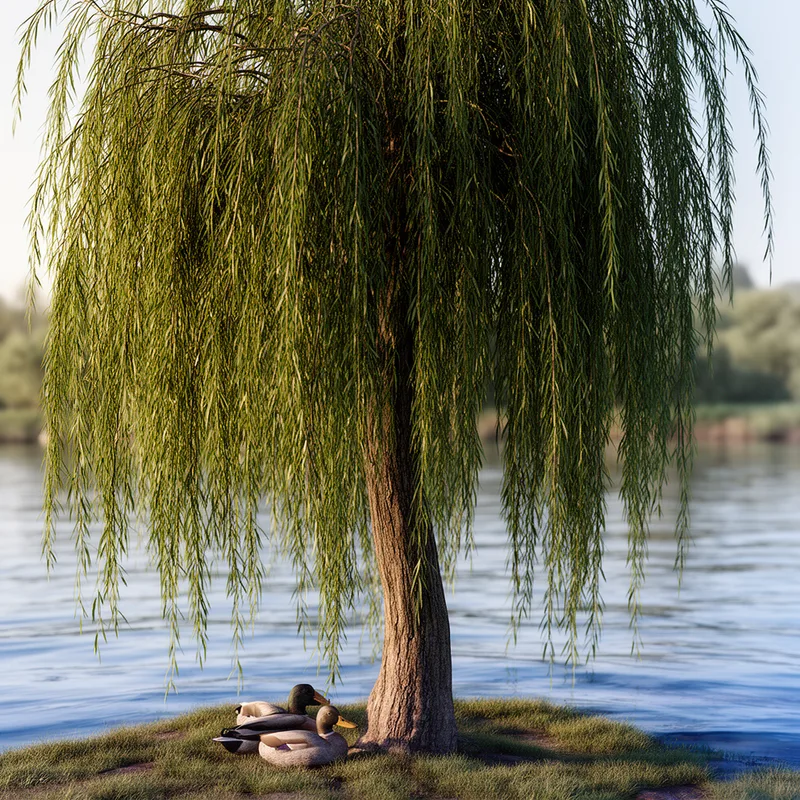
willow tree
 4
1.4
4
1.4

- noun
- /ˈwɪloʊ tri/
- The old willow tree in the park swayed gently in the breeze, its slender branches casting long shadows.
- a weeping willow tree
- the bark of the willow tree
- the shadow of a willow tree
Loading YouTube…
Watch on YouTubeAnd I and I say to my team, let's be like a Willow tree and go with the flow because in a storm, the Willow tree doesn't break.
- And I and I say to my team, let's be like a Willow tree and go with the flow because in a storm, the Willow tree doesn't break.
Examples
-
On a small knoll near the fence stood a weeping willow tree.
Fiction book (1993) -
The two men stood, then sat together under a pallid willow tree beside a ditch running with irrigation water on pilgrimage day.
Fiction book (2000) -
Suddenly, there was a movement high in a willow tree.
Fiction book (2001) -
Looking out a side window, he saw a willow tree.
Fiction book (1991) -
One summer evening, led by her, I found a little boat tied to a willow tree.
Academic text (2011) -
There used to be a willow tree near the port with branches that drooped to the river's surface.
Fiction book (1991) -
We have two swings in our willow tree: one baby swing and one disc swing.
Blog text (22) -
There were wide lawns, a pond, a willow tree, and a collie dog.
Fiction book (2001) -
Frances's attention turns to the curl of orange flagging lying in the grass by the willow tree.
Fiction book (1990) -
Charles Kay, a wildlife ecologist at Utah State University in Logan, studies willow tree and beaver populations, key indicators of riparian health.
Academic text (1995)
Synonyms
 36
1.8
36
1.8
A tree with long thin branches and narrow leaves that often grows near water
 2
3.1
2
3.1
A tree with long hanging branches and thin leaves that often grows near water
 1
4.2
1
4.2
A small tree or bush with soft furry buds that appear before the leaves


 1
7.7
1
7.7
A type of willow with reddish stems and flexible branches used for making baskets

A tree or bush with long flexible branches that often grows near water

A group of plants that includes willows, which are shrubs and trees

A large tree with silvery leaves and grey bark that grows near water

A large willow tree with grey soft leaves and grey bark that grows near rivers

A white willow tree from Europe and Asia with grey leaves, upright branches, and flexible wood

A willow tree with long, drooping branches and thin leaves often called weeping willow

A large willow tree with brittle branches that break easily
A large willow tree with thin branches that break easily

A North American tree with dark bark and narrow leaves that grows near streams and lakes

A type of willow tree with dark bark and narrow leaves that grows near water

A small tree or shrub with narrow leaves that grows near lakes and rivers

A small tree or shrub that grows beside streams in the western United States
A willow shrub or small tree that grows near streams in the western United States
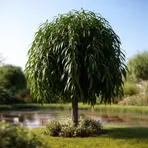
A willow tree from Europe with shiny thick leaves often grown in gardens

A willow tree with shiny, thick leaves often found near water

A willow tree with shiny tough leaves that grows in wet places

A willow tree with many branches, broad leaves, and soft silvery flower clusters that grows in Europe and Asia

A tree with many branches and long flower clusters used in flower arrangements
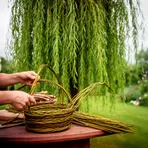
A tree with long flexible branches used for weaving baskets

A willow tree with light green leaves grown for making baskets

A willow tree with light green leaves used for making baskets
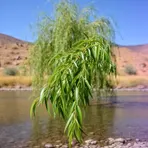
A willow tree that grows in the western United States with leaves shaped like almonds

A willow tree that grows in western North America with leaves like almond trees

A tree with long, narrow leaves like a peach tree that grows near rivers

A willow tree with long narrow leaves like a peach tree

A North American willow with silky grey leaves that turn black when dried
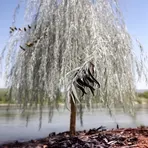
A North American tree with soft grey leaves that turn dark when dry

A small bushy tree with whitish woolly twigs that grows in wet places
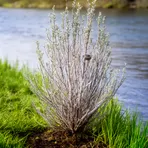
A small grey willow bush with soft hairy twigs that grows beside rivers
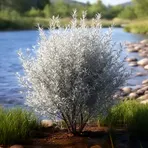
A shrub with whitish gray leaves that grows near rivers in North America
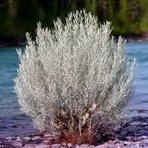
A North American shrub with long narrow light gray or white leaves

A willow bush with long narrow leaves that are pale underneath and grows in the dry eastern United States
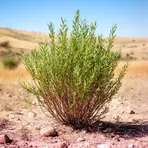
A small bushy willow with thin branches that grows in dry parts of North America

A small willow bush that grows in dry prairie areas
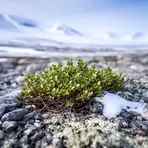
A very small willow plant that grows low on cold mountains and in Arctic places

A small willow shrub that grows along wet riverbanks in western North America

A small willow bush that grows near rivers in western North America

A small willow bush with leaves that smell like pine when crushed

A small tree or shrub with shiny long leaves that grows near water

A hybrid willow tree with branches that do not hang down

A hybrid willow tree whose branches do not hang down strongly
How Hard

Surface Forms
Morphology
The meaning 'a deciduous Salix tree/ shrub' is directly and redundantly signaled by combining 'willow' (a type of Salix tree) with 'tree' (tall perennial plant), so the overall sense is immediately derivable from the constituents. This straightforward noun+noun denotation is cross-linguistically common and follows regular compositional patterns, making it transparent to a B1 learner who knows both words.
Etymology
Willow tree gets its name from the tree's long, thin branches that bend and hang down. Because these trees often grow by rivers, the name brings to mind a tree with drooping branches and narrow leaves 'near water'.