
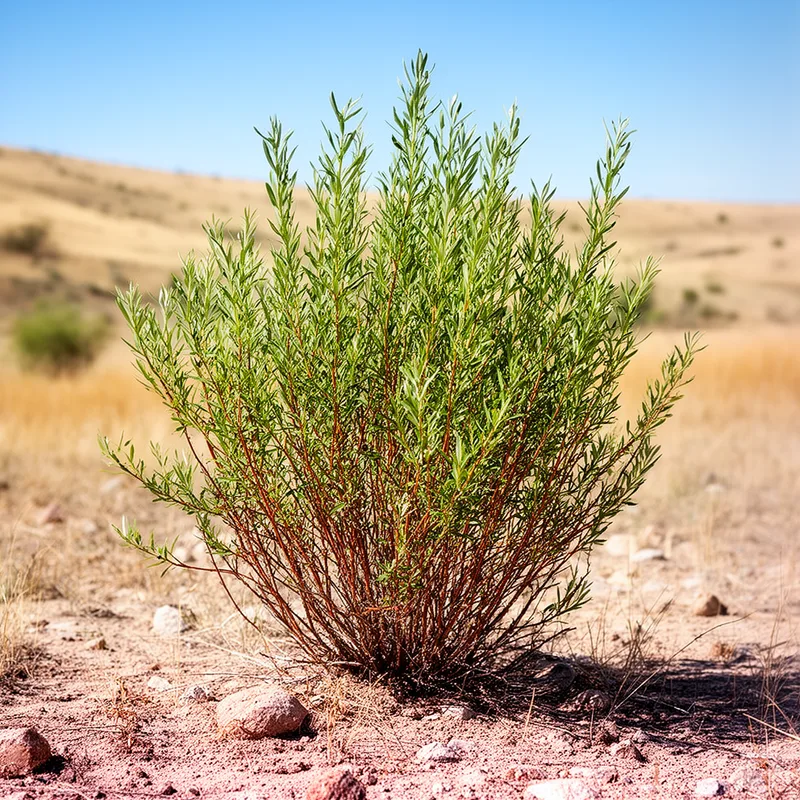
Salix humilis
- noun
- Specialized
- The slender branches of Salix humilis make it easy to identify among other willows.
Examples
-
Gardeners sometimes plant Salix humilis in areas with poor, dry soil conditions.
-
The Salix humilis thrives in dry, rocky soils.
-
Salix humilis is commonly found on prairies and sandy hills across the Midwest.
-
Have you seen the Salix humilis growing near the river?
-
Salix humilis is commonly found on prairies and sandy hills across the Midwest.
-
Gardeners sometimes plant Salix humilis in areas with poor, dry soil conditions.
-
The slender branches of Salix humilis make it easy to identify among other willows.
Synonyms

A small willow bush that grows in dry prairie areas
Surface Forms
Morphology
This is a Latin binomial where 'Salix' denotes the willow genus and 'humilis' means low or low-growing; a learner who knows both constituents could infer it refers to a low-stature or low-growing willow species. However, finer details in the provided definition (slender/shrubby habit and native range in dry areas of North America) are not predictable from the parts alone, so the transparency is only partial.
Etymology
Salix humilis comes from Latin words: Salix means 'willow' and humilis means 'low' or 'humble'. The name paints a simple picture—a small, low-growing willow—so it fits this slender, shrubby species that grows in dry places.

