
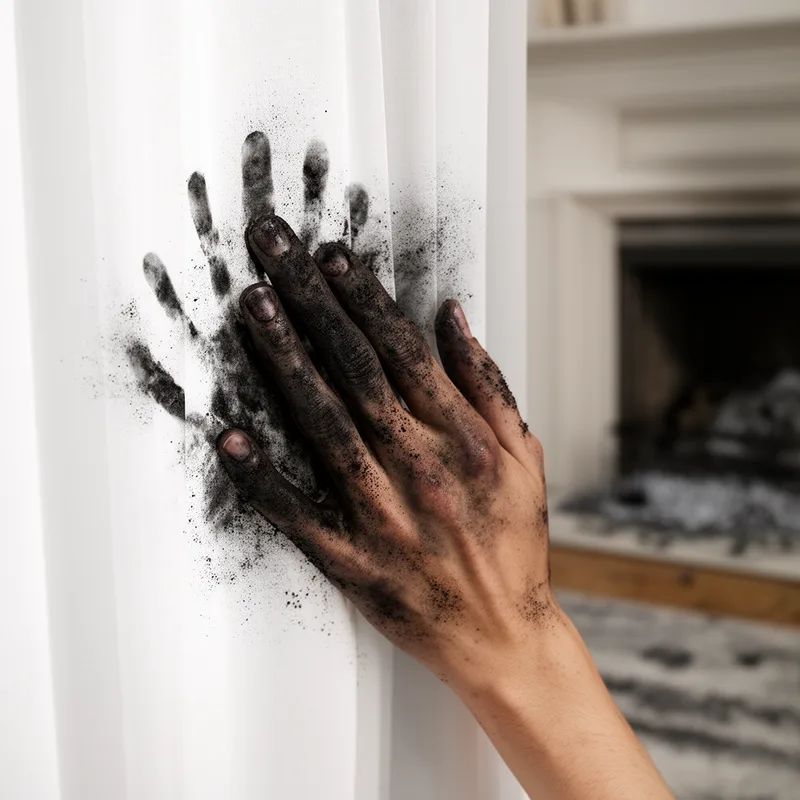
to smut
- verb
- /smʌt/
- Archaic
- The chimney sweep accidentally smutted her dress while cleaning.
Examples
-
The printer's ink can smut the pages if you are not using it properly.
-
Don't smut the clean tablecloth!
-
After walking through the ash, his shoes were badly smutted.
-
Don't smut the curtains with those dirty hands.
-
The chimney smuts the walls with soot.
-
Be careful not to smut your fresh shirt with that greasy food.
-
After the rain, the mud smutted the white fence.
Synonyms
 126
7.3
126
7.3

To make something harmful or spoil its quality
 63
3.7
63
3.7
To spread a substance over a surface in a messy way
 60
4.9
60
4.9
To make something like metal or a reputation lose its shine
 59
4.5
59
4.5
To make something dirty with mud or dirt
 14
1.0
14
1.0
To make something unclean or covered with dirt
 14
8.8
14
8.8
Make a person or company look bad by saying bad things about them
 5
1.9
5
1.9
Make something dirty with mud or sediment
 3
3.5
3
3.5
To make something dirty with mud
 1
9.9
1
9.9
To put a dirty mark on something like a dress or carpet


 1
9.4
1
9.4
To cover something with dark dirt so it becomes dirty
 1
6.7
1
6.7
To make something black with powder left by smoke
 1
3.5
1
3.5
To make something dirty with wet dirt, for example shoes or floors

To make a dirty mark or smudge on something

To mark with spots or stains

To make something dirty with mud or dirt

To cover someone or something with mud

To make something look dirty or faded
Antonyms


Compounds


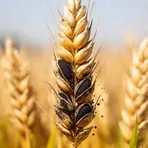
- Specialized
A disease of grain caused by a fungus that makes dark powder inside the husks

- Specialized
A disease of rice that covers the grains with a green powder of fungus spores
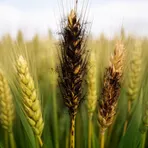
- Specialized
A disease of wheat and other grasses that makes dark streaks and black dust

- Specialized
A disease of wheat and other grasses that makes dark powdery streaks on leaves and stems
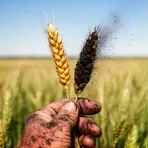
- Specialized
A disease of wheat or barley that turns the grain head into a powder of fungus
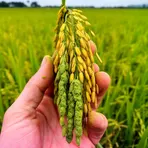


- Specialized
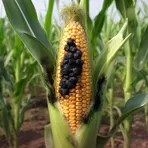
A fungal disease that makes corn or sorghum flowers turn into a black spore mass covered by a thin skin
- Specialized
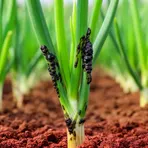
A disease caused by a fungus that makes black blisters on onion leaves and young plants
- Specialized
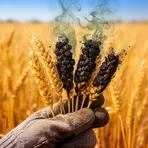
A small living thing that grows on plants and makes black dusty spots often on wheat or corn

- Specialized
A disease that affects wheat and similar grains, turning grains into dark, smelly masses

- Specialized
Plant disease that attacks wheat leaves and stems, causing dark streaks and lower crop yields
How Dirty

Surface Forms
Etymology
Smut as a verb — to stain or soil — comes from the noun meaning 'soot' or dirt. To 'smut' something is to make it dirty, so the origin explains the modern verb meaning.