
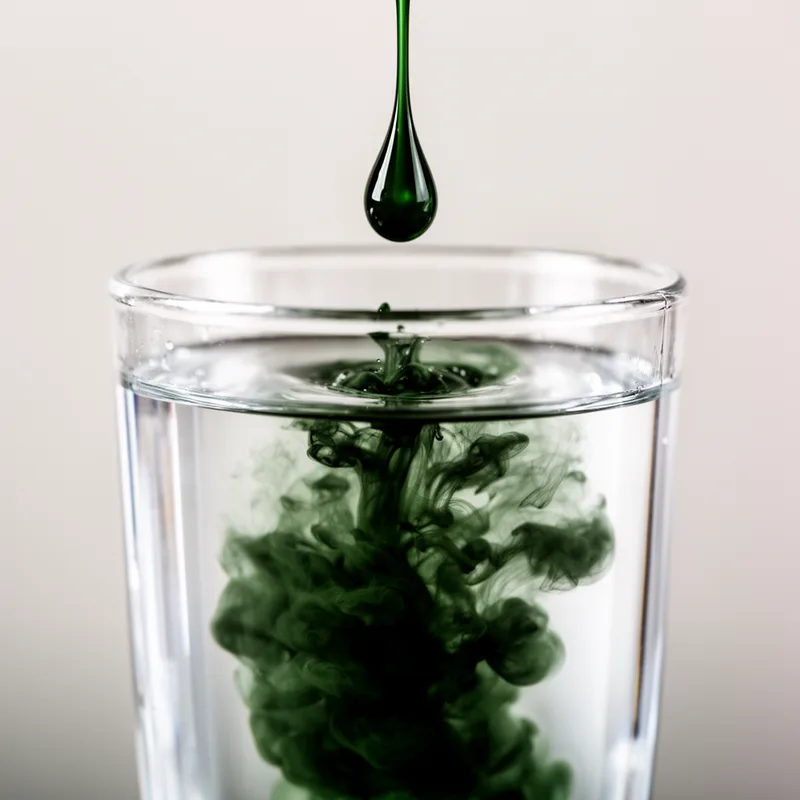
to taint
 126
7.3
126
7.3

- verb
- /teɪnt/
- Moreover, charges of corruption and malpractice have recently tainted the Hong Kong legal profession.
- tainted food
- tainted water
- become tainted
Loading YouTube…
Watch on YouTubeBut you can't let one person taint the mission of the business.
- But you can't let one person taint the mission of the business.
- I don't ever want anything from my professional world to taint or make family stuff weird.
- He almost cannot be involved in money making because then it, it taints the theory itself.
- They're like, we would never taint, we would never taint a wholesale load of of Colombian coke with fentanyl.
- No, it's a great drink and you can't taint it.
- So now it's again, this person is being tainted as this paragon of, you know, maturity and health.
Examples
-
Some of the defense deals are tainted with allegations of corruption and the payment of bribes.
Academic text (2013) -
The other side taints the image of Islam.
-
And a divorce would taint that.
-
But you can't let one person taint the mission of the business.
-
This knowledge might have tainted our results.
-
The reprehensible ones taint the dignity of the others.
-
External support runs the risk of tainting even peaceful opposition as being directed by foreign elements.
Academic text (2011) -
Accusations of membership were enough to taint aspiring politicians with disloyalty to the supreme leader.
Academic text (2008) -
The scandal could taint the politician's reputation for years to come.
-
One bad review can taint a restaurant's image in the eyes of potential customers.
Synonyms
 248
4.9
248
4.9
To make things like water or soil unsafe by adding harmful substances
 109
3.4
109
3.4
To make water, air or land dirty by adding harmful waste
 97
4.4
97
4.4
To damage a relationship or group by spreading bad ideas
 66
6.3
66
6.3
To harm someone's reputation so others stop trusting them
 60
4.9
60
4.9
To make something like metal or a reputation lose its shine
 38
8.6
38
8.6
To make something dirty or harm its reputation
 14
1.0
14
1.0
To make something unclean or covered with dirt
 14
8.8
14
8.8
Make a person or company look bad by saying bad things about them
 13
7.6
13
7.6
Make someone's good name seem bad
 6
3.8
6
3.8
Make people think less of someone after a bad action
 3
6.0
3
6.0
Damage the respect and good opinion people have of someone or something
 2
9.9
2
9.9
Make a contract or decision not valid by law

To make something dirty or spoil its reputation

To ruin plans or crops, used in old language
Antonyms


How Contaminated
∞
2.0
 109
3.4
248
4.9
126
7.3
113
3.2
60
4.9
109
3.4
248
4.9
126
7.3
113
3.2
60
4.9
Surface Forms
Etymology
Taint as a verb comes from the same root tingere ('to dye'), so to taint something is to 'colour' it in a bad way. That's why to taint food or a reputation means to make it impure or damaged.