

to vitiate
 2
9.9
2
9.9

- verb
- /ˈvɪʃiˌeɪt/
- Formal
- If the contract is signed under duress, it may be vitiated and considered void.
Examples
-
No, you have just vitiated your right.
-
Now that would vitiate the whole purpose Of her incarceration in the first place.
-
A bad intention can vitiate a neutral act, or even one that is normally good.
Blog text (1) -
Any declension from the ideal or defect in any of its parts is enough to vitiate the whole.
Academic text (1997) -
Many people come out to organize parties, and the functions of parties will be substantially vitiated.
Academic text (2000) -
But they've said that the absence of a lawyer doesn't vitiate the trial.
Blog text (10) -
First, we need to understand that the existence of cruelty doesn't necessarily vitiate the power of empathy.
Academic text (2000) -
Not only did they oppose socialism, but also most government regulation or action that might vitiate pragmatic neoliberalism in any way.
Academic text (1992) -
The notion that the Charter somehow vitiated centuries-old norms of customary international law, which expressly authorized anticipatory defense, borders on the ridiculous.
Academic text (2005) -
A single mistake can vitiate the entire experiment's results and render them unusable.
Synonyms
 885
1.4
885
1.4
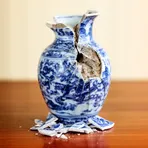
To harm something so it becomes less useful, valuable, or healthy
 248
4.9
248
4.9
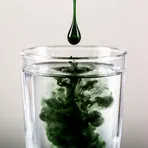
To make things like water or soil unsafe by adding harmful substances
 126
7.3
126
7.3
To make something harmful or spoil its quality
 97
4.4
97
4.4
To damage a relationship or group by spreading bad ideas
 80
2.8
80
2.8
To make something less good or enjoyable
 61
5.1
61
5.1
To make something worse or less able to work
 33
6.1
33
6.1
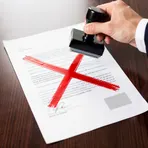
To make a document or agreement have no legal effect anymore
 23
7.1
23
7.1
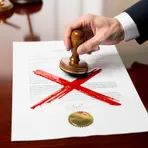
To declare something legally invalid
 13
7.6
13
7.6
Make someone's good name seem bad
 2
5.3
2
5.3
To damage how something looks or its quality
 1
9.8
1
9.8
Make someone or something lose energy and stop working well

To make a place or group less lively and energetic
Antonyms


How Impaired

Surface Forms
Morphology
vitiate = viti + ate
Formally analyzable as the stem 'viti-' plus the verb-forming suffix '-ate', but 'viti' is not a standalone English word and the meaning cannot be derived by an average B1 learner from known English morphemes.
Etymology
The word vitiate comes from the Latin vitium, which means 'fault' or 'defect' and is the same root as the English vice. So, to vitiate something is to put a fault into it and make it spoiled, weak, or not valid.