

to damage
 885
1.4
885
1.4

- verb
- /ˈdæmɪdʒ/
- Verbal and nonverbal expressions of disapproval can damage and even end the therapeutic relationship.
- damage a reputation
- damage the economy
- severely damage
Loading YouTube…
Watch on YouTubeAnd to harm her, to damage her again.
- And to harm her, to damage her again.
- And if there's a stroke there, it can damage these pathways.
- I just, I think you damage yourself more doing that.
- And she was like, Alex, you're going to damage your gums and your teeth.
- So it's, it's the dopamine pathway is being damaged by the fructose.
- Their shape changes so that they can damage our gut lining.
- So you not only damage yourself more, you damage them.
- So all of that to say, I can damage my own brand by.
- So if you want to damage your brain, bright minds.
- Consciousness, I know that I can damage that just by damaging your brain.
- And I don't think that that brand damages my brand.
- It hurts us when we do the wrong thing, we damage ourself.
- You know, like, because for me, having to sit through that damages, I leave damaged.
Examples
-
The U.S. government was cautious, reluctant to further damage its long-term relationship with Beijing.
Academic text (1990) -
We don't want to damage Alex's legacy.
-
So all of that to say, I can damage my own brand by.
-
I just, I think you damage yourself more doing that.
-
So if you want to damage your brain, bright minds.
-
Others said the high altitude could damage his growing body and brain.
Academic text (2011) -
The problem is I don't want to damage my career as an actor.
-
Releasing raw, unprocessed assessment data to the news media can damage any music education program.
Academic text (1999) -
Human actions can either damage or remedy the auspicious energy of a place.
Academic text (2011) -
The heavy rain can damage the crops if it continues for too long.
Synonyms
 ∞
1.0
∞
1.0
Damage something so badly that it cannot be used or fixed
 ∞
2.0
∞
2.0
Destroy or badly damage something so it cannot be used
 738
1.0
738
1.0
To cause a bad effect on people or things
 225
2.9
225
2.9
To badly damage or destroy something
 221
4.9
221
4.9
To destroy something greatly or make people feel deeply shocked and sad
 165
4.9
165
4.9
To start damaging something, for example by disease or chemicals
 97
4.4
97
4.4
To damage a relationship or group by spreading bad ideas
 84
4.0
84
4.0
To damage something badly so it no longer works
 80
2.8
80
2.8
To make something less good or enjoyable
 73
7.4
73
7.4
Damage something by cutting or removing parts so it looks ruined
 73
6.6
73
6.6
To damage a place or thing very badly
 72
6.3
72
6.3
To cause serious harm that makes a person or thing unable to work properly
 61
5.1
61
5.1
To make something worse or less able to work
 53
1.6
53
1.6
Cause harm to people or things, for example to a company's good name
 31
5.8
31
5.8
Spoil the appearance of a person or thing by damaging it
 29
5.8
29
5.8
Damage the surface of something by writing, scratching, or painting it
 22
5.6
22
5.6
Become slowly damaged by chemicals, for example when metal turns to rust
 3
7.7
3
7.7
Damage or spoil something badly
 3
5.1
3
5.1
To damage something so badly it cannot be fixed
 2
9.9
2
9.9
Make a contract or decision not valid by law
 2
5.3
2
5.3
To damage how something looks or its quality

Make something stop working by hitting or dropping it
Antonyms

Compounds

- Specialized
75
3.7
Injury to the brain that causes long term problems with how it works
 42
3.4
42
3.4
Actions to limit the bad effects of a problem, for example to protect a reputation
 40
5.6
40
5.6
Harm to ordinary people or buildings not meant as the main target during a military attack


- Specialized

 1
4.1
1
4.1
A quick operation to stop bleeding, keep wounds clean, and make a very badly injured patient stable before full repair

- Archaic
A mild brain problem in children, often in boys, that causes problems with behaviour and learning

- Specialized
Harm to military equipment like tanks during fighting or missions, not from accidents
- Specialized
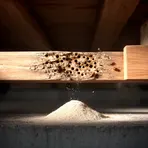
Wood damage caused by small beetles that leave fine dust and make it weak
How Damaging

Surface Forms
Etymology
Damage as a verb comes from the old word damnum meaning 'loss', so to damage something is to cause harm or loss that makes it less useful.