

to spoil
 80
2.8
80
2.8

- verb
- /spɔɪl/
- Elizabeth, let's not spoil the day with a discussion like this one, okay?
Loading YouTube…
Watch on YouTubeDid that in some ways spoil your expectations?
- Did that in some ways spoil your expectations?
- And I hate to spoil it, but right, Right.
- And my favorite bit that I'll spoil was at night.
- Then they just reply I replied to it and spoiled the book for me.
- And as I said, it sort of spoils the good news for you.
- At that time I said there's a few bad apples that spoil it for the rest.
- Austin, why did you have to spoil it?
- It would help immensely and it spoils Carval.
- I don't want to, I don't want to, I don't want to spoil, don't spoil.
- He says ask it whenever it wants to spoil something for you.
Examples
-
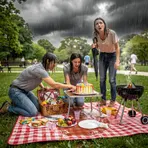
His rude comments spoiled the atmosphere of the celebration.
-
Yo, guys, I hate to spoil the party, but we've got a problem.
Fiction book (1992) -
- Are you going to spoil my birthday?
-
Sorry to spoil your day of rest.
-
"Why does this boy have to come right here and spoil my peace and quiet?"
Fiction book (1993) -
Did that in some ways spoil your expectations?
-
I'm sorry I had to spoil your fun over at that place.
-
You shouldn't let something like that spoil your fun, you know.
-
I didn't want to spoil your party.
-
But I wasn't about to let them spoil what we had here.
Fiction book (1993)
Synonyms
 ∞
2.0
∞
2.0
Destroy or badly damage something so it cannot be used
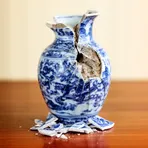 885
1.4
885
1.4
To harm something so it becomes less useful, valuable, or healthy
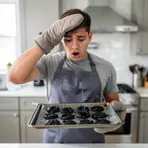 641
6.3
641
6.3
To make a mistake that ruins what you are doing
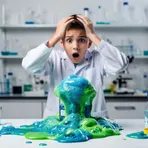 597
2.8
597
2.8
To make a mistake that causes a problem
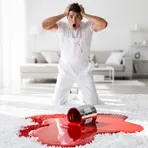 203
9.9
203
9.9
To make a serious mistake that ruins something
 97
4.4
97
4.4
To damage a relationship or group by spreading bad ideas
 63
6.0
63
6.0
To do something badly and spoil the result
 61
5.1
61
5.1
To make something worse or less able to work
 20
4.9
20
4.9
Deal with something badly so it causes problems or damage
 16
6.8
16
6.8
To do something clumsily so it causes mistakes
 13
7.6
13
7.6
Make someone's good name seem bad
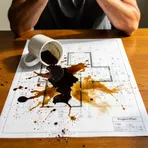 8
6.4
8
6.4
To make a mistake that ruins something because you are careless
 6
3.8
6
3.8
Make people think less of someone after a bad action
 5
8.2
5
8.2
To fail to catch or handle something because you are clumsy
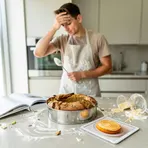 5
7.6
5
7.6
To ruin something by making mistakes or doing it badly
 4
8.1
4
8.1
To make a mess of a plan or task by doing it badly
 3
7.7
3
7.7
Damage or spoil something badly
 3
4.1
3
4.1
Make people feel less happy in a situation
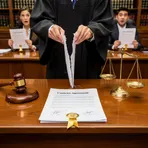 2
9.9
2
9.9
Make a contract or decision not valid by law
 2
6.8
2
6.8
To make an embarrassing mistake because you are careless or nervous
 2
5.4
2
5.4
To make a mistake especially by forgetting words on stage
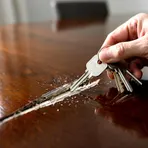 2
5.3
2
5.3
To damage how something looks or its quality
 2
6.7
2
6.7
Do a job badly and make a mess of it
 1
9.1
1
9.1
To spoil or ruin a plan
 1
7.9
1
7.9
To do something badly and ruin how it turns out


 1
9.9
1
9.9
To do something so badly that it fails

To spoil or ruin something by making a careless mistake

To ruin something by doing it badly

Do a job badly so it does not work
Antonyms

Idioms

- Informal
3
6.7
To give someone too much kindness and gifts so they expect special treatment
Phrasal Verbs


Compounds
How Damaging

Surface Forms
Etymology
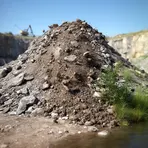
Spoil (to damage or ruin) comes from the same old verb spoliare, which meant 'to strip' or 'take away'. So to spoil something is to take away what makes it good, leaving it ruined.