to busticate

to busticate

9.9
Make something stop working by hitting or dropping it
  • verb
  • Slang
translation icon : romper
  • He busticated his phone when he dropped it.

Examples

  • The kids managed to busticate the old radio while playing with it.

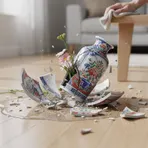
  • Don't busticate that vase!

  • If you busticate your phone, you might have to pay for repairs yourself.

  • She warned her brother not to busticate anything in her room.

  • If you busticate your phone, you might have to pay for repairs yourself.

  • She warned her brother not to busticate anything in her room.

  • The kids managed to busticate the old radio while playing with it.

Synonyms

to destroy
vsto busticate
1.0

Damage something so badly that it cannot be used or fixed

is informal and can mean damage that leaves items repairable
to break
vsto busticate
1.0

To change a large bill into smaller bills
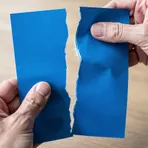
is often used informally to mean violent or ruinous damage rather than simple separation
to tear
vsto busticate
1.0

To pull something so it breaks into pieces
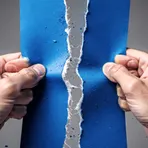
is more about smashing or spoiling, not necessarily pulling apart
to rip
vsto busticate
646 1.7

To tear quickly and forcefully
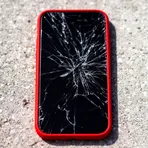
is often an informal term for breaking or ruining without pulling action
to bust
vsto busticate
  • Informal
553 4.0

To break something so it does not work

is the same informal meaning expressed in a different form
to crash
vsto busticate
481 2.2

To hit something with great force and cause damage
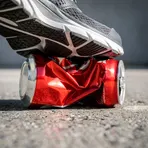
is informal and can mean damage without collision or noise
to crush
vsto busticate
401 1.6

To press something hard so it breaks or loses its shape

is a broader informal term not limited to pressure-based harm
to smash
vsto busticate
311 2.1

To break something into many pieces using great force

is informal and can mean damage without extreme force
to wreck
vsto busticate
225 2.9

To badly damage or destroy something

is informal and can describe milder breaking or spoiling
to rupture
vsto busticate
95 6.8

To break open suddenly and violently

is informal and may describe non-abrupt damage or spoiling
to ravage
vsto busticate
73 6.6

To damage a place or thing very badly
is informal and usually means single items damaged rather than wide devastation
to knock out
vsto busticate
64 3.8

To break or remove something by force, often by hitting it

is less specific and can mean general damaging or ruining
to knock down
vsto busticate
57 3.2

Make a building or wall fall down suddenly

is the informal damage term that can also mean spoiling without collapse
to shatter
vsto busticate
48 4.6

Cause deep pain to someone's feelings and destroy their hopes

is an informal damage word that may not imply full fragmentation
to fracture
vsto busticate
37 7.2

To damage a rule, promise, or relationship

is the informal physical breaking or spoiling sense rather than metaphor
to bust up
vsto busticate
  • Informal
34 5.8

To break something into pieces by hitting it hard

is used more generally in informal speech and not only for sudden force
to mangle
vsto busticate
  • NSFW
21 6.1

To badly cut, tear, or crush and cause a serious physical injury
is usually the casual term for breaking or spoiling rather than mutilation
to to smash
vsto busticate
11 4.1

To completely destroy something, often hopes or plans

is informal and may refer to damage that is less than total ruin
to rip to shreds
vsto busticate
  • Informal
10 6.9

Tear something into many pieces or say very bad things about it

is an informal word for physical damage as well as general ruin
to rend
vsto busticate
10 8.7

To pull something apart with great force

is more general damage or spoiling rather than violent tearing apart
to rip up
vsto busticate
8 2.8

To tear something into small pieces

is a general informal damage word, not only about shredding
to bang up
vsto busticate
  • Informal
8 7.6

Damage something badly, often by hitting or dropping it

is an informal general term that may mean mild or severe harm
to dash
vsto busticate
7 1.8

To break something violently into pieces

is a more general informal term that may not imply throwing
to stave
vsto busticate
6 8.5

To break a hole in an object by hitting or crushing it
is a general informal damage word, not limited to making holes
to smash up
vsto busticate
  • Informal
5 4.7

To damage something very badly so it breaks into pieces

is more informal and can mean harm without violent reduction
to bork
vsto busticate
  • Slang
1 9.9

To break a device like a phone or computer by accident

is an informal damage word that often implies intentional harm instead of accident
to frag
vsto busticate
  • Slang
1 9.1

To break something into pieces

is informal too but covers simple ruining as well as violent damage
to whack up
vsto busticate
  • UK
8.3

To divide something into parts, for example by cutting it or by sharing it among people

is an informal damage word that can mean simple spoiling too
to bollocks
vsto busticate
  • Offensive
9.9

To spoil or ruin something by making a careless mistake

is an informal damage term that can also mean violent physical harm
to bollix
vsto busticate
  • Slang
9.9

To ruin something by doing it badly

is more widely used informally for many kinds of damage or destruction

Antonyms

496 3.4

To keep people and things safe from harm or change

365 1.0

To fix something that is broken or not working

How Forceful

to demolish
54 3.7
to smash
311 2.1
to busticate
  • Slang
9.9
to break
1.0
to crack
311 1.0
to chip
104 2.3

Surface Forms

busticate infinitive
busticated past
busticated past participle
busticating present participle
busticates third person singular

Morphology

busticate = bust (semi-transparent) = bust + icate

The formation from 'bust' plus the verb-forming suffix '-icate' is understandable, but the suffix is nonstandard/informal in colloquial English and may be unfamiliar to learners.

Etymology

The word busticate is a playful form built from the common verb bust ('to break') plus the ending -icate that makes verbs sound stronger, as in complicate. So a helpful way to remember busticate is that it means to 'break', 'smash', or ruin something completely.