

to stave
 6
8.5
6
8.5

- verb
- /steɪv/
- The workers used a heavy hammer to stave a hole in the wall for the new window.
Examples
-
He managed to stave in the door during the storm to prevent water from flooding inside.
-
After several attempts, they finally staved the barrel to release the trapped air inside.
-
We do this not to stave off our critics, but because these are the values that made our nation great.
-
There is nothing you can do to stave off the inevitable.
-
Probably the fact that they need German funds to stave off state default.
Blog text (28) -
So in your neighborhood, my question is what is the most effective method to stave off infections in the wild?
-
His Recovery Act supported millions of jobs and helped to stave off a second Great Depression.
Blog text (22) -
And now is a great time for people to stave off boredom by learning new skills.
-
David Cameron is trying to work out whether to cut more public sector jobs in order to stave off a double dip recession.
-
But the objective of the exercise is really to stave off extinction as long as possible, and I believe that that is a valid thing to do.
Synonyms
 311
2.1
311
2.1
To break something into many pieces using great force
 136
1.8
136
1.8
To make a hole in paper or leather with a small tool
 50
3.9
50
3.9
To make a small hole in something with a sharp object that lets air or liquid escape
 38
4.1
38
4.1
Force a door or gate open by hitting it hard with your foot
 20
7.2
20
7.2
To make a deep cut or hole in something with a sharp object
 13
2.1
13
2.1
To open something suddenly by force, for example a locked door or jar
 12
6.1
12
6.1
Make a hole through something by piercing it
 7
1.8
7
1.8
To break something violently into pieces
 6
6.4
6
6.4
To make an opening in something by cutting or piercing
 5
4.7
5
4.7
To damage something very badly so it breaks into pieces
 5
7.4
5
7.4
To make a deep cut or groove in a surface by scraping
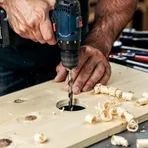 1
4.9
1
4.9
To make a hole in something with a tool or with animal teeth
 1
3.5
1
3.5
To force open a door or window to get inside
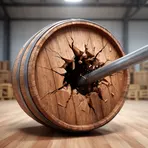
To break a hole in something and make part cave in
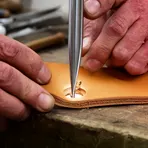
To make a hole through something with a tool

Make something stop working by hitting or dropping it
Antonyms


Phrasal Verbs

How Damaged

Surface Forms
Etymology
To stave in something comes from the idea of hitting with a staff meaning 'stick', so to 'stave in' a door is to smash it inward as if struck by a strong stick.