

to rupture
 95
6.8
95
6.8

- verb
- /ˈrʌptʃər/
- Now the crisis' unequal impact threatens to rupture the politically fragile framework of regional ties.
- rupture the membrane
- rupture an aneurysm
- rupture the cell
Loading YouTube…
Watch on YouTubeTrust is already ruptured in a narcissistic relationship.
- Trust is already ruptured in a narcissistic relationship.
- Unbeknownst to anyone that's here, my twin has ruptured his Achilles tendon.
- It's the company it keeps because calcified blood vessels don't crack, don't rupture and don't cause heart attacks.
- It's not that interesting to watch, but there is an instant when they rupture and we have an earthquake.
- But he finally went back and they realized his appendix had ruptured.
- He had ruptured his tricep and he retoured in rehab.
- I ruptured my spleen, broke my ribs, my face, my nose.
- And it will, it will come out in in way less pleasant, yes, and sort of metastasize and rupture in ways that are very unpredictable.
- And that's why it shrivels because if it had a full membrane of water, it will it will actually rupture like any other plant would.
- She died of more of a traumatic injury when she tripped and fell in her home and may have ruptured her spleen.
- It's dividing and cells rupture and the DNA from those cancer cells becomes accessible in your bloodstream.
- If you rupture a muscle in your body, it's replaced by functional muscle tissue and not by scar.
- So if you then put them in a vacuum, you can you can rupture a bunch of the vacuole walls and then you can infuse something else into it.
Examples
-
Emergency readouts show the primary and secondary air lines ruptured!
-
Overnight, an area high on the wall of the storage tank ruptured, releasing the acid.
Academic text (1996) -
Past 17, the hull could rupture.
-
But if they ever put too much pressure on that pump... and they rupture those pipes-
-
It's gonna kill you anyway when it ruptures.
-
The anchor could snag any one of them and rupture it.
-
This can cause tissues to shift and rupture, and fluids to collect in critical organs.
-
The strain of the contractions and the pushing caused the aneurysm to rupture.
-
Rather, they have ruptured lungs similar to those seen in scuba divers who surface too quickly.
Academic text (2008) -
The old pipes began to rupture under the extreme pressure of the water.
Synonyms
 ∞
1.0
∞
1.0
To change a large bill into smaller bills
 ∞
3.5
∞
3.5
To break suddenly because of pressure or too much electricity
 ∞
1.0
∞
1.0
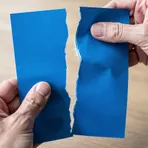
To pull something so it breaks into pieces
 579
2.8
579
2.8
To burst suddenly and violently, making a loud noise and flying pieces
 553
4.0
553
4.0
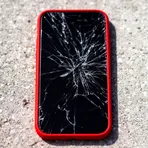
To break something so it does not work
 311
1.0
311
1.0
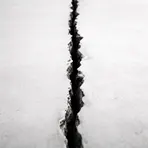
To break or form a narrow split in a surface
 311
2.1
311
2.1
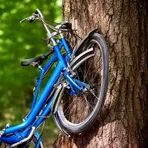
To break something into many pieces using great force
 225
2.9
225
2.9
To badly damage or destroy something
 167
2.3
167
2.3
Break suddenly and completely, often with a sharp noise
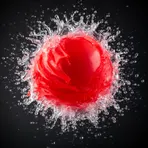 164
1.4
164
1.4
Break open suddenly because of pressure inside
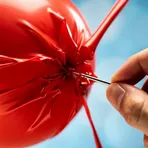 149
1.0
149
1.0
To burst or make something burst with a sudden sound
 91
4.7
91
4.7
To break a hard object, for example a bone or rock
 72
2.8
72
2.8
To break suddenly into many small pieces, like glass
 44
3.1
44
3.1
To break into pieces or fall into separate parts
 39
3.7
39
3.7
To break into small pieces or make something break apart
 34
5.8
34
5.8
To break something into pieces by hitting it hard
 26
3.0
26
3.0
To separate into pieces, for example a machine or a group
 13
2.1
13
2.1
To open something suddenly by force, for example a locked door or jar
 10
8.7
10
8.7
To pull something apart with great force
 9
3.5
9
3.5
To break a piece from something with a quick, sharp movement
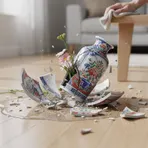 5
4.7
5
4.7
To damage something very badly so it breaks into pieces
 2
9.9
2
9.9
To tear something violently or be torn apart, often used for feelings
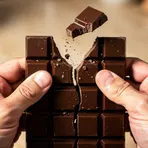 2
3.5
2
3.5
To come off a larger thing, often because of force or damage


 1
4.1
1
4.1
To split or break apart suddenly

To tear something into separate parts, usually by force

To break something into many small pieces

Make something stop working by hitting or dropping it
Antonyms

How Severe
164
1.4
 95
6.8
∞
1.0
91
4.7
311
1.0
104
2.3
95
6.8
∞
1.0
91
4.7
311
1.0
104
2.3
Surface Forms
Morphology
rupture = rupt + ure
The verb form is historically built from the same combining form and suffix, but these elements are not recognizable as independent English words to learners, so the morphology is not transparent.
Etymology
Rupture as a verb comes from the same old Latin root rupt meaning 'to break'. So to rupture something is to make it break or burst suddenly, for example a pipe that splits under pressure.