

to disfigure
 31
5.8
31
5.8

- verb
- /dɪsˈfɪɡjər/
- The accident left his face badly disfigured, making it difficult for him to find work.
- disfigured face
Examples
-
Through tears, he saw the disfigured features of the assembly of adults closing in on his body.
Fiction book (1998) -
Who said your teeth were disfigured?
-
But... try not to disfigure her.
-
No need to disfigure me, Albus.
-
Never lets me forget for a minute the accident that disfigured her.
-
I'll burn myself and be disfigured.
-
To a funeral director, disfiguring the face was the worst possible sin.
Fiction book (1999) -
No, he doesn't realise that he disfigured his schoolmate.
-
A brown scar of leveled forest, sutured by telephone lines, disfigured the fir-covered face of the mountain.
Fiction book (1997) -
The Pari Mahal of my youth was disfigured with flourishes of modern militaristic architecture.
Academic text (2006)
Synonyms
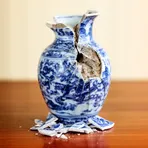 885
1.4
885
1.4
To harm something so it becomes less useful, valuable, or healthy
 59
4.3
59
4.3
To change the shape of something so it is no longer normal
 59
4.8
59
4.8
To change a thing's normal shape so it becomes bent or twisted
 29
5.8
29
5.8
Damage the surface of something by writing, scratching, or painting it
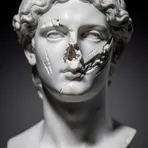 7
7.9
7
7.9
Damage to the outside of something that makes it look spoiled
 3
5.5
3
5.5
To make something look less perfect or attractive
 1
6.9
1
6.9
To make something have the wrong form

Make something look bad and spoil its appearance
Antonyms
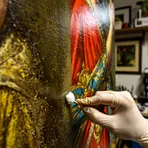

How Disfigured

Surface Forms
Morphology
disfigure = figure (semi-transparent) = dis + figure
The prefix suggests a negative change to 'figure', but learners may not readily connect the common word 'figure' with the specific sense 'shape or appearance'.
Etymology
Disfigure comes from dis- meaning 'not' and figure meaning 'shape' or 'form', the same figure you already know. So to disfigure someone or something is to spoil or damage its shape or look, which is why the word means to harm appearance.