
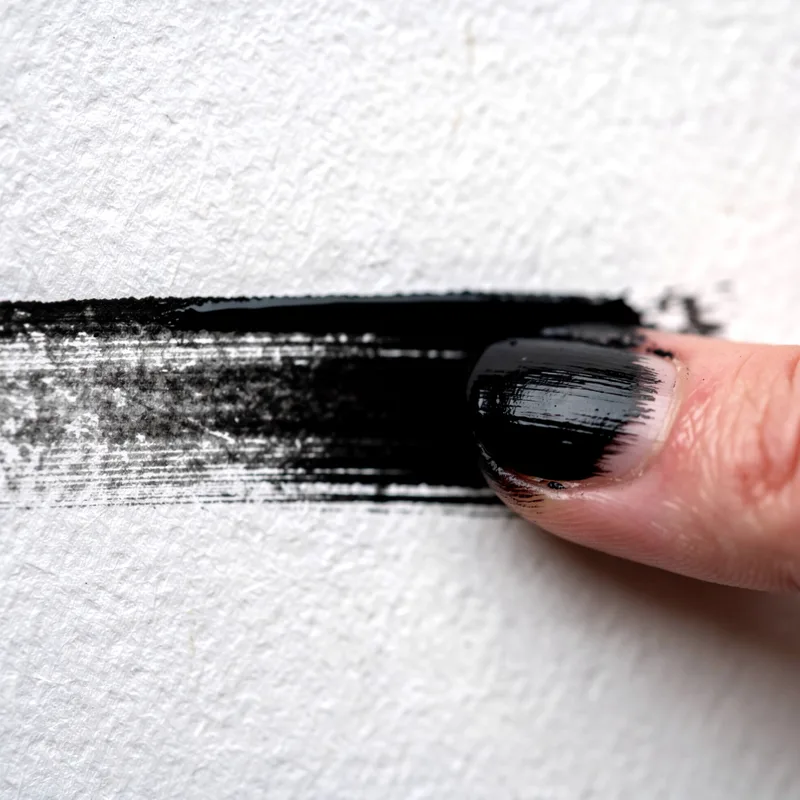
to smudge
 33
3.7

- verb
- /smʌdʒ/
- Be careful not to smudge the ink on the paper while it's still wet.
Loading YouTube…
Watch on YouTubeI'm just going to smudge out those edges.
- I'm just going to smudge out those edges.
- No smearing, no smudging, no weird pattern on my screen.
- But this is great as blending or smudging your eyeshadow.
Examples
-
Then take your blending pencil brush and smudge in that black.
-
And I'm just going to smudge it into my lash line.
-
And then with a little brush, it's going to smudge that out.
-
So I'm just going to smudge a little bit of the black on.
-
I'm just going to smudge out those edges.
-
And she just again smudges this all over the black.
-
I got one print of that, don't smudge it.
-
Excuse me, it's a bit smudged here.
-
All we're doing is just smudging the harsh line that you can see.
-
Don't smudge the drawing.
Synonyms
 90
3.6
To make something hard to see or understand
 69
3.7
To spread a substance over a surface in a messy way
 1
6.7
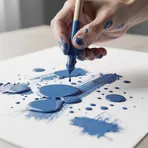
To put uneven marks of color or liquid on a surface
 1
4.0
To spread paint on a surface in a messy, uneven way
 1
5.3
To mark something with irregular spots of a different color


 1
9.9
To make a dirty mark or smudge on something
 1
7.9
To stain something with black dirt or soot

To mark with spots or stains
Antonyms


How Smudged

Surface Forms
Etymology
The verb smudge comes from the same idea of 'smear' or 'blacken', so a helpful way to remember it is to imagine pushing wet ink with your finger and making it spread. That's why to smudge something is to make a dirty or blurred mark by rubbing or touching it.