

to smut
- verb
- /smʌt/
- Specialized
- Much of the wheat crop smutted last year due to humid conditions.
Examples
-
If the barley smuts, it can ruin the entire harvest.
-
The field was smutted by the recent fungal outbreak.
-
Farmers inspect their fields carefully so their corn does not smut after heavy rains.
-
The smutting of the barley was evident after the rain.
-
Farmers work hard to prevent their crops from becoming smut due to damp weather conditions.
-
If the plants smut, the farmer risks losing a significant portion of the yield.
-
During the wet season, many wheat fields can smut if not properly managed.
Antonyms


Compounds


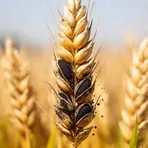
- Specialized
A disease of grain caused by a fungus that makes dark powder inside the husks

- Specialized
A disease of rice that covers the grains with a green powder of fungus spores
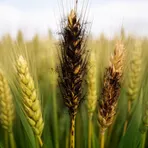
- Specialized
A disease of wheat and other grasses that makes dark streaks and black dust

- Specialized
A disease of wheat and other grasses that makes dark powdery streaks on leaves and stems
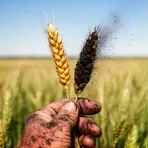
- Specialized
A disease of wheat or barley that turns the grain head into a powder of fungus
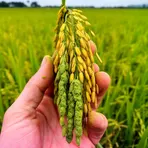


- Specialized
A fungal disease that makes corn or sorghum flowers turn into a black spore mass covered by a thin skin
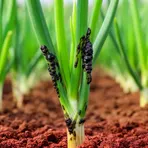
- Specialized
A disease caused by a fungus that makes black blisters on onion leaves and young plants
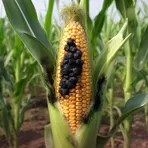
- Specialized
A small living thing that grows on plants and makes black dusty spots often on wheat or corn

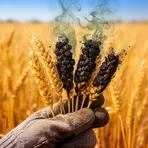
- Specialized
A disease that affects wheat and similar grains, turning grains into dark, smelly masses

- Specialized
Plant disease that attacks wheat leaves and stems, causing dark streaks and lower crop yields
Surface Forms
Etymology
Smut as a verb meaning to infect plants with the fungus comes from the noun for the disease that looks like black soot. To 'smut' a crop is to give it that black, powdery infection, so the verb follows the noun's meaning.