

to smut
- verb
- /smʌt/
- Offensive
- Critics accused the film of smutting what was once an innocent story.
Examples
-
His attempts at humor only served to smut the conversation.
-
He loves to smut up his stories with crude jokes.
-
Some editors feel the new lyrics smut the original song.
-
Don't smut the reputation of our organization!
-
The author decided to smut his children's book by including inappropriate jokes.
-
Many critics believe the movie was smut that catered to the lowest common denominator.
-
The artist was accused of wanting to smut his work with unnecessary sexual themes.
Antonyms



Compounds


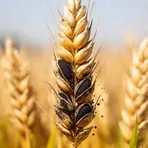
- Specialized
A disease of grain caused by a fungus that makes dark powder inside the husks

- Specialized
A disease of rice that covers the grains with a green powder of fungus spores
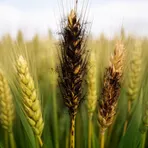
- Specialized
A disease of wheat and other grasses that makes dark streaks and black dust

- Specialized
A disease of wheat and other grasses that makes dark powdery streaks on leaves and stems
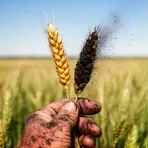
- Specialized
A disease of wheat or barley that turns the grain head into a powder of fungus
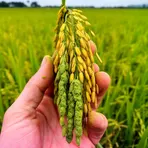


- Specialized
A fungal disease that makes corn or sorghum flowers turn into a black spore mass covered by a thin skin
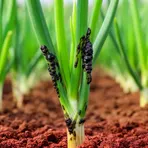
- Specialized
A disease caused by a fungus that makes black blisters on onion leaves and young plants
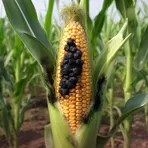
- Specialized
A small living thing that grows on plants and makes black dusty spots often on wheat or corn

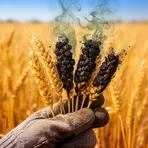
- Specialized
A disease that affects wheat and similar grains, turning grains into dark, smelly masses

- Specialized
Plant disease that attacks wheat leaves and stems, causing dark streaks and lower crop yields
How Obscene


Surface Forms
Etymology
Smut used as a verb meaning to make something obscene comes from the word's old sense of 'making dirty'. A helpful way to remember it is to think of adding 'moral dirt' to a story, which is why to 'smut' something is to make it indecent.