

ruler
 153
2.1
153
2.1

- noun
- /ˈruːlər/
- The King known as Louis XIV brought his people food, prosperity and peace, and is remembered as the greatest ruler in the history of his nation.
- authoritarian rulers
- autocratic rulers
- secular rulers
Loading YouTube…
Watch on YouTubeNot an imposing group of rulers, but pious.
- Not an imposing group of rulers, but pious.
- Moto Sognir rose mightiest ruler of the kin of dwarfs.
- It means no rulers, not no rules.
- Like you're the simp, the leader, ruler, emperor God King.
- These charters_the principle that rulers are not omnipotent.
- This is the ruler of that land, right?
- And I read the Bible and the the ruler of this world is is Satan.
- We are women rulers in like a male dominated world.
- A lot of the rulers of this world have an allegiance to Satan.
- Oliver Cromwell is the ruler of England.
- In the West, the Ostrogoths had an impressive ruler named Theodoric.
Examples
-
The rajah's an independent ruler.
-
My father was the rightful ruler of Outworld
-
This is the ruler of that land, right?
-
Oliver Cromwell is the ruler of England.
-
Across the smaller states of Germany, rulers face popular demands for reform.
-
He grew to be a wise ruler.
-
Public policies and programs do not really matter, since rulers have few intentions of delivering on them anyway.
Academic text (2008) -
He is the son of the ruler of Saudi Arabia.
-
This is King Jaffe Joffer, ruler of Zamunda.
-
The king is a powerful ruler who has led his kingdom for many years.
Synonyms
 ∞
3.0
∞
3.0
An elected official who leads a state government
 ∞
1.0
∞
1.0
A man who rules a country and usually gets the job from his family
 524
3.5
524
3.5
A man who rules an empire made of many countries
 422
4.8
422
4.8
A man who has power over people, like a ruler or noble
 218
4.2
218
4.2
A ruler with complete power who often takes control by force and ignores the law
 74
7.7
74
7.7
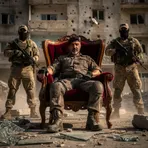
A military leader who controls a region by force and answers to no one when the government is weak
 49
3.5
49
3.5
A country's main public leader, like a president or king
 48
7.7
48
7.7
A ruler of ancient Egypt who is both king and priest
 41
5.1
41
5.1
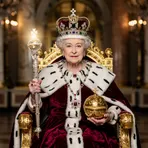
A king or queen who rules a country and usually gets the job by birth
 40
7.2
40
7.2
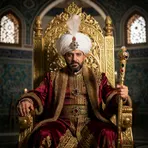
A king or queen who rules a country and gets the position from their family
 29
6.2
29
6.2
A Muslim ruler of a country, often from the Ottoman Empire
 21
8.4
21
8.4
A person who has great power and controls a country or people
 16
9.5
16
9.5
A person who rules a land for a king or queen
 15
8.4
15
8.4
A person who rules a country for the monarch who is too young, absent, or ill
 8
8.3
8
8.3
A ruler who has all power and treats people cruelly
 7
9.4
7
9.4
A ruler with very great power who is not limited by law
 3
9.9
3
9.9
A ruler who has complete power over a country and its people
 1
7.8
1
7.8
A king or queen who rules because they get the position from their family
 1
9.9
1
9.9
A ruler who has almost total power and controls others


 1
9.9
1
9.9
A person who rules or controls others
 1
9.9
1
9.9
A king or queen with complete power over a country
 1
5.4
1
5.4
A woman who rules a country, for example a queen

A person who has power to rule a city or region

A leader who governs a region or a community and may have religious power
Antonyms


Compounds
How Powerful

Surface Forms
Morphology
Etymology
Ruler for a person in charge also comes from the Latin root regula, which means 'rule', and is the same root as the verb rule, so a ruler is someone who makes or enforces the 'rules' and leads a country.