

response
 187
4.2
187
4.2

- noun
- /rɪˈspɑns/
- Specialized
- Some schools have reported a 20% drop in reported drinking in response to subjective norms marketing campaigns.
- immune response
- physiological response
- inflammatory response
Loading YouTube…
Watch on YouTubealternate from that fear and stress response system to the calm,
- alternate from that fear and stress response system to the calm,
- They didn't see the blood oxytocin predicted response in that study.
- We don't need to turn on that stress response all the time.
- But then when we yawn, it's in response to the brain being too warm.
- Sad mood and the related symptoms are often a response to stress.
- So I think in response to stress, it does make some sense.
- That's an immediate response that gives you instant power.
- And it's actually a trauma response to not take care of yourself first.
- They had inherited the trauma, the fear response from their parents.
- Because we need to invoke a response to build lean mass.
- Well suddenly you've become you've a trauma response can be to control everything.
Examples
-
Why does your fight or flight or freeze response drive you to eat?
-
You have your own body's response to lack of food.
-
And that stress response is actually a good thing.
-
It's meant to bring my stress response under control.
-
Some people have this fight or flight response or they have a freeze response.
-
It is clearly in response to their Pride display.
-
We don't need to turn on that stress response all the time.
-
So that your immune system would develop a response to vaccinia.
-
And if you're boosted, your response is likely to be stronger.
-
The body has a natural response to cold temperatures that includes shivering and increased heart rate.
Synonyms
 221
3.0
221
3.0
A physical response in the body to a medicine or allergen that causes symptoms
Antonyms



Compounds


- Specialized
11
4.4
The body's reaction to germs like viruses or bacteria that fights infection


- Specialized
3
4.8
A learned reaction to a signal, like a bell, that happens after the signal is often shown with something else

- Specialized
1
5.7
A reaction a person develops from practice or experience, not one they are born with

- Specialized
1
6.2
Change in the skin's tiny electrical activity when you feel stress or strong emotion

- Specialized
1
6.6
A quick automatic reaction to a sudden sound or movement that makes you jump

- Specialized
 1
6.9
1
6.9
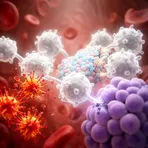
The amount a device or system changes output at different frequencies


- Specialized
A body defence by special white blood cells that attacks viruses, fungi, and transplanted organs


- Specialized
A learned reaction to a sound or signal after it happens many times

- Specialized
A learned action an animal or person does to avoid something bad after a warning signal

An emotional reaction you learn when something is often linked with a good or bad event


- Specialized
A change in the skin's electrical signal when someone feels stress or strong emotion

- Specialized
A change in the skin's electrical activity when a person feels stress or strong emotion
- Specialized
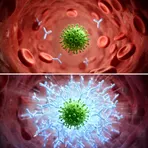
A faster and stronger rise of antibodies when the body meets the same germ again

Online videos and streams made to cause the pleasant tingling feeling and help people relax

- Specialized
A pleasant tingling on the scalp that moves down the neck and spine and makes you feel very relaxed
- Specialized
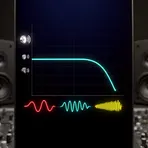
A graph showing how loudness changes across low and high tones

- Specialized
A graph that shows how loud a speaker or amplifier is at different frequencies


- Specialized
Part of the body's defence where B cells make antibodies in the blood to fight bacteria and toxins

- Specialized
The body's reaction that makes antibodies and sends cells to fight germs

- Specialized
A small change in the skin's electric signals when someone feels stress or strong emotion

A very quick answer to a question given without thinking, often one after another

An automatic action your body makes without thinking when something touches or moves near you


- Formal
A reaction that shows little concern for criticism or others' feelings



Surface Forms
Etymology
Response comes from the old Latin verb respondere, built from re- 'back' and spondere 'to promise', and is the same root as respond. That is why a bodily response is the way the body 'answers back' to a drug, cold, or other outside stimulus.