

electrical skin response
- noun
- /ɪˈlɛktrɪkəl skɪn rɪˈspɒns/
- Specialized
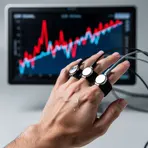
- The polygraph measures the electrical skin response to determine if someone is stressed or anxious.
Examples
-
Researchers use electrical skin response technology to study emotional reactions in participants.
-
Researchers measured the electrical skin response during the experiment.
-
An increase in electrical skin response can indicate heightened anxiety or excitement.
-
The electrical skin response can indicate levels of stress.
-
An increase in electrical skin response can indicate heightened anxiety or excitement.
-
The polygraph measures the electrical skin response to determine if someone is stressed or anxious.
-
Researchers use electrical skin response technology to study emotional reactions in participants.
Synonyms
 7
8.7
7
8.7

A change in the skin's small electric signals that show stress or anxiety
 1
6.2
1
6.2
Change in the skin's tiny electrical activity when you feel stress or strong emotion

A small change in the skin's electric signals when someone feels stress or strong emotion

A change in the skin's electrical activity when a person feels stress or strong emotion

A change in the skin's electric signals when a person feels stress or anxiety

A change in small electrical signals in the skin when a person feels stress or anxiety
Antonyms

Surface Forms
Morphology
electrical + skin + response
The phrase denotes a skin 'response' that is 'electrical' — i.e., a measurable change in the skin's electrical properties. This meaning is directly compositional from 'electrical' + 'skin' + 'response' (though somewhat technical), so a B1 learner who knows the constituent words can infer the basic concept.
Etymology
The noun electrical skin response comes from how the skin makes small changes in its electrical activity when you feel stressed or excited. These tiny changes, often from a bit more sweat, change the skin's small electrical signals so machines can measure them to show 'stress' or 'anxiety'.