

to lay waste to
 12
7.9
12
7.9

- phrasal verb
- /leɪ weɪst tu/
- As we took cover behind stone columns, our automatic rifles laid waste to crates, sandbags, and aging architecture.
- laid waste to a city
Loading YouTube…
Watch on YouTubeNevertheless, Schlitzes tells us that the Emperor continues to invade Bulgaria every year without interruption, laying waste to everything that came to hand.
- Nevertheless, Schlitzes tells us that the Emperor continues to invade Bulgaria every year without interruption, laying waste to everything that came to hand.
Examples
-
Many Lebanese blame the Palestinians for providing the fuel for the civil war that laid waste to their country from 1975 to 1990.
Academic text (2000) -
And when that didn't work, she simply laid waste to everything and everybody in her way.
Fiction book (1999) -
While we're fighting, that thing is laying waste to the whole damn world.
-
You know, they laid waste to good parts of the Arctic.
-
If we do nothing, he will come for it again but this time, lay waste to all of Asgard.
-
Such thinking has laid waste to the Gaza Strip three times between 1989 and 2006.
Academic text (2007) -
An unstoppable force of destructive power that would just lay waste to everything.
-
A great armada appeared in the sky, laying waste to all who opposed it.
-
After Katrina laid waste to New Orleans, the electrical supply was totally destroyed.
Blog text (17) -
Hurricane Katrina laid waste to New Orleans, leaving the city in ruins.
Synonyms
 ∞
1.0
∞
1.0
Damage something so badly that it cannot be used or fixed
 ∞
2.0
∞
2.0
Destroy or badly damage something so it cannot be used
 221
4.9
221
4.9
To destroy something greatly or make people feel deeply shocked and sad
 189
4.2
189
4.2
Destroy something so nothing is left
 123
3.7
123
3.7
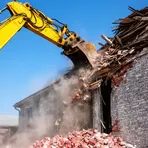
To destroy a building or other structure completely
 121
3.0
121
3.0
To destroy a building or object completely by fire
 84
4.0
84
4.0
To damage something badly so it no longer works
 73
6.6
73
6.6
To damage a place or thing very badly
 63
4.6
63
4.6
Knock down a building or other large structure completely
 54
3.7
54
3.7
Completely destroy a building or large structure
 53
6.0
53
6.0
To destroy something completely, often by fire or disease
 38
4.7
38
4.7
To destroy a place completely, leaving only ruins
 33
7.1
33
7.1
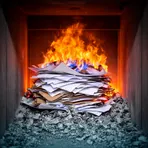
To burn things like documents or waste until they turn to ash
 27
3.7
27
3.7
To be completely destroyed by fire
 17
7.1
17
7.1
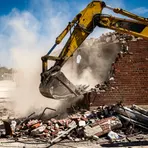
To completely destroy a building or area so nothing is left
 15
7.6
15
7.6
To destroy something completely so nothing is left
 11
4.1
11
4.1
To completely destroy something, often hopes or plans
 7
6.6
7
6.6
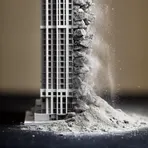
To be completely ruined and lose all value
 3
7.7
3
7.7
Damage or spoil something badly
 1
3.9
1
3.9
To destroy or carry something away completely, for example by water
 1
9.1
1
9.1
To cause great suffering or damage

 1
6.0
1
6.0
To completely destroy a building so nothing remains above ground
 1
7.2
1
7.2
Make a place empty and lifeless by destroying or leaving it
Antonyms


How Destroyed

Surface Forms
Morphology
lay + waste + to
The sense 'to completely destroy' is directly derivable from combining 'lay' (to place or cause) with 'waste' (destruction); the construction simply means to cause waste/ruin. This is a compositional, regular causative pattern (though somewhat formal), so a B1 learner who knows the constituent words can reasonably infer the meaning.
Etymology
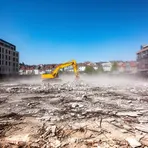
The phrase lay waste to comes from a simple picture: soldiers or fire would lay a town waste—making it empty, burned, and ruined. That's why it now means 'to destroy completely'.