
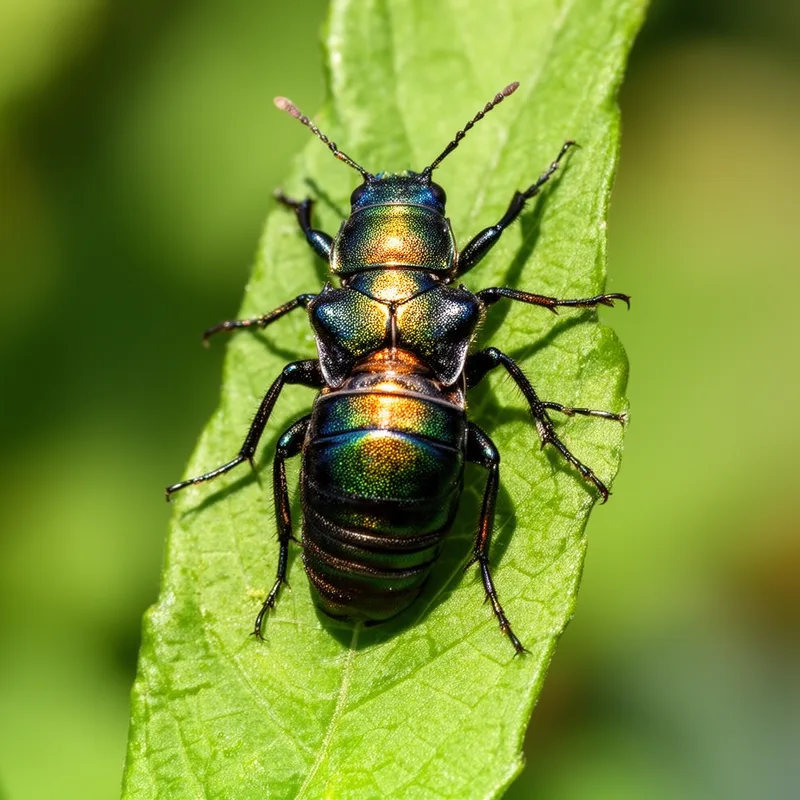
insect
 341
1.0
341
1.0

- noun
- /ˈɪnˌsɛkt/
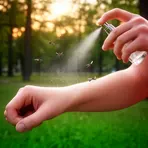
- Sunblock, lip balm, insect repellent.
- insect bite
- insect repellent
- insect pests
Loading YouTube…
Watch on YouTubeFor a start, they're not tied to the insect's size in the air.
- For a start, they're not tied to the insect's size in the air.
- Lush large trees, lots of insects, which means food for bats.
- It's a it's an insect museum by us.
- But there are gleaning bats that eat insects on the forest floor.
- Other creatures, many insects and birds, see four or five colours.
- So basically some ants eat other insects, so they basically eat meat.
- I've never seen an insect sleep, you know what I mean?
- One of my biggest fears is that insects could be conscious.
- In this next case, the plant protects the insect by keeping it warm.
- So the beetles, the insects are the enemies of the plants.
- The animals that live in this area, the insects, the butterflies, the bees.
Examples
-
* More than 1,400 species of insects and arachnids are known to be safe to eat.
Academic text (2011) -
Many insects, such as bees and ants, play crucial roles in pollination and decomposition.
-
It's where these insects can be found.
-
These insects are eating me alive!
-
As the air continued to warm into the low 60s, insect activity increased.
Academic text (2011) -
With the warmer temperatures of climate change, the insect hordes may increase in number.
Academic text (2012) -
The fascinating life histories of insects will make an insect hunter of you.
Academic text (1999) -
During the 15-week period, approximately 2,000 insects were measured, each by three student researchers.
Academic text (2013) -
There's one group of arthropods, the insects, that really rule the land.
-
The F. francolinus feeds normally on insects and is remembered as "a farmer's friend."
Academic text (2015)
Synonyms
 623
1.0
623
1.0
A small insect like an ant or beetle
Compounds



- Specialized
 1
4.0
1
4.0
An insect that lives in a group called a colony and works together with others
- Specialized
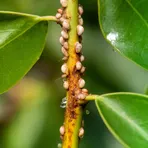
Small insects that live on plants and suck plant sap, often with a waxy coating
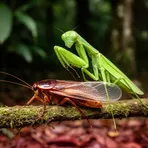
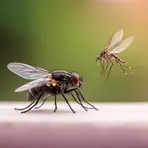

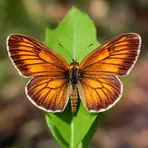
- Specialized
An insect with two pairs of wings covered with tiny scales like butterflies and moths

- Specialized
An insect whose front wings are partly hard and partly soft, not fully hard like a beetle

- Specialized
An insect that sucks plant sap, with a long tube mouth and hard front wings at the base
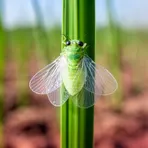
- Archaic
An insect like an aphid or a cicada with thin clear front and back wings
- Specialized
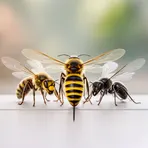
An insect like a bee, wasp, or ant with two pairs of thin wings, often with a sting


- Specialized
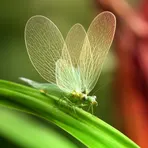
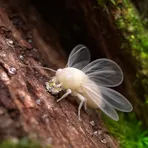
An insect with four large clear wings showing a fine net of veins and small biting mouthparts, like a lacewing
- Specialized
A small soft insect with parts for chewing that often has no wings or two pairs of wings
- Specialized
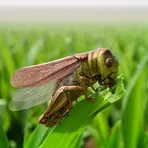
An insect like a grasshopper or cricket with firm front wings, thin back wings, and mouth parts for chewing
- Specialized
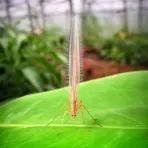
A small thin insect with narrow wings that have tiny hairs on the edges
- Specialized
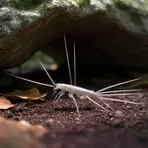
A small wingless insect with a long body and three long bristly tails
- Specialized
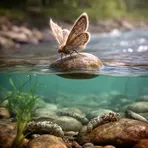
A small flying insect like a moth with hairy wings whose young live in water
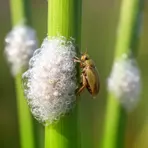
A small jumping insect that lives in frothy bubbles on plant stems to protect its young
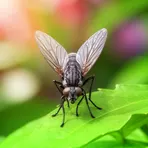

How Big

Surface Forms
Etymology
Insect comes from Latin parts in- 'into' and sect 'cut', so it originally meant 'cut into'. Think of an insect's body as being 'cut into' parts or 'sections', just like the word section, which is why insect names small animals with bodies in clear segments.