
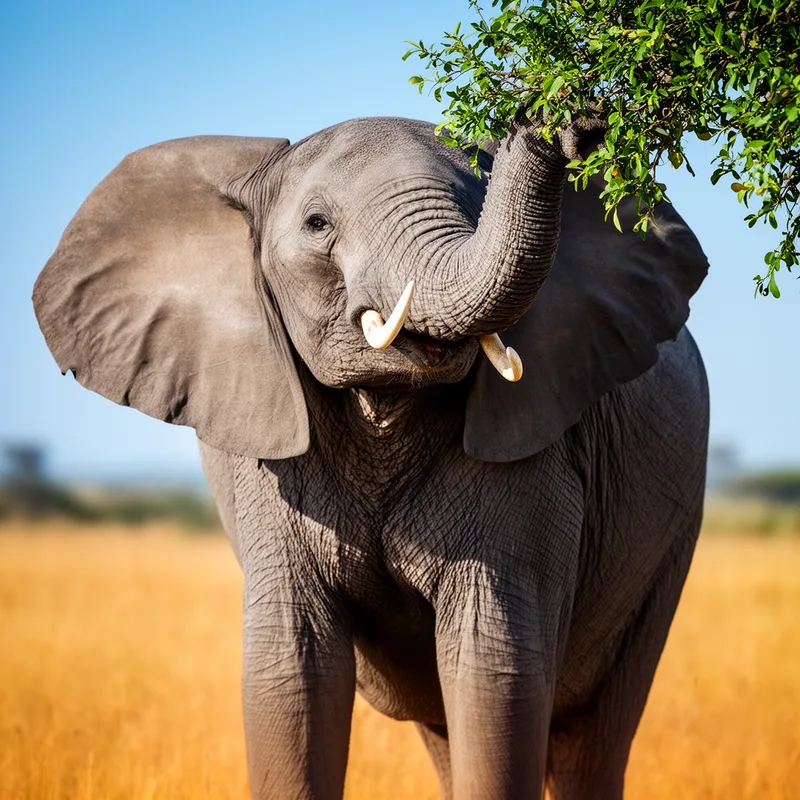
elephant
 389
1.0
389
1.0

- noun
- /ˈɛlɪfənt/
- At the zoo, we saw a baby elephant playing with its mother by the water.
- elephant tusks
- elephant trunk
- elephant ivory
Loading YouTube…
Watch on YouTubeThey teach their kids about lions and elephants, right?
- They teach their kids about lions and elephants, right?
- they said. The elephants are trampling our crops of corn
- But we don't need to put elephants and, you know, whales on it.
- There's discussions of of elephants, of monkeys.
- in a park, massive elephant, no face.
Examples
-
Even though we were outside the national park, we still saw elephants, giraffes, and impalas wandering the countryside.
Academic text (1994) -
Isn't there a children's book about an elephant named Babar?
-
That is the biggest elephant in this room today.
-
Now I'm thinking of an elephant instead.
-
No actual elephants are hurt in the process.
-
So we know a lot about how to take care of an elephant or a crocodile.
Fiction book (1990) -
But as Hammond talked about the elephant, he left a great deal unsaid.
Fiction book (1990) -
Do you know why you don't see elephants hiding in trees?
-
It appears they've brought you an elephant.
-
They teach their kids about lions and elephants, right?
Idioms


- Offensive

 1
7.8
1
7.8
A person who is clumsy and insensitive in delicate situations
- Informal
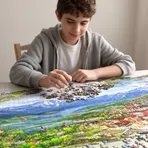
To finish a very large task by doing small easy steps
Compounds


- South African
3
1.7
A very large gray land animal with a long trunk, big ears, and long tusks

- Informal
1
6.1
An expensive thing that costs a lot to keep and is more trouble than it is worth

 1
2.8
1
2.8
An Asian elephant that lives in India and nearby countries with smaller ears and tusks, especially in males



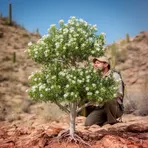
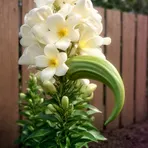
A small tree or bush from the dry US southwest with a spicy smell, divided leaves and small white flowers

- Literature
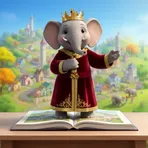
An imaginary elephant who becomes king and has adventures in children's books

- Specialized
A very large extinct animal with long tusks that lived in North America during the Ice Age
How Fast

Surface Forms
Etymology
Elephant comes from an old Greek word elephas that meant 'ivory' and was used for the animal, because people first noticed its big ivory tusks; that's why the name fits this very large, trunked animal today.