
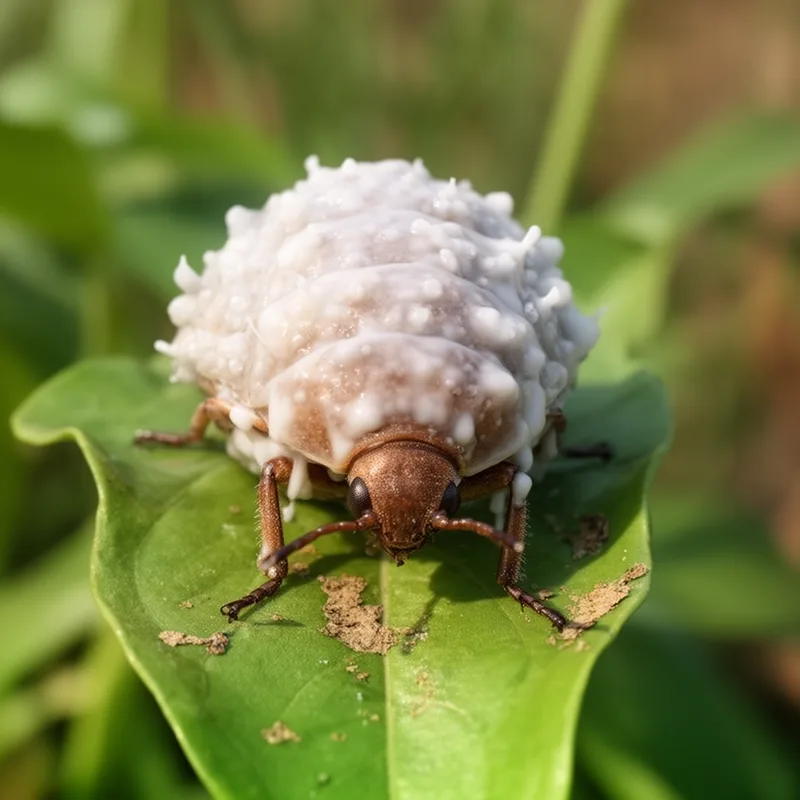
wax insect
- noun
- Specialized
- The wax insect coats its body with a protective layer to prevent dehydration.
Examples
-
Some wax insects secrete a thick layer of wax to shield themselves from predators.
-
The wax insect uses its secretion to build a protective nest for its young.
-
Certain species of wax insects play a significant role in the ecosystem by producing wax.
-
Farmers sometimes encounter wax insects while inspecting their crops for pests.
-
The wax insect produces a protective coating.
-
Many wax insects are found in tropical climates.
-
A variety of wax insects are known for creating protective structures that benefit their colonies.
Synonyms


 1
7.3
1
7.3
A small insect that sucks plant sap and has a hard waxy covering
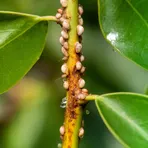
Small insects that live on plants and suck plant sap, often with a waxy coating
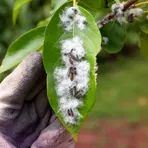
A small insect that makes a white, cotton-like covering on plants
Surface Forms
Morphology
The noun phrase is directly compositional: ‘wax’ modifies ‘insect’ to indicate an insect associated with wax (e.g., producing or coated in a waxy substance). This attributive-noun pattern is common and cross-linguistically regular, so a B1 learner who knows both words can readily infer the intended meaning.
Etymology
Wax insect comes from small animals that make a layer of wax on their bodies to protect themselves, so the words wax and insect describe what the animal does. That's why the name means 'an insect that makes wax'.