
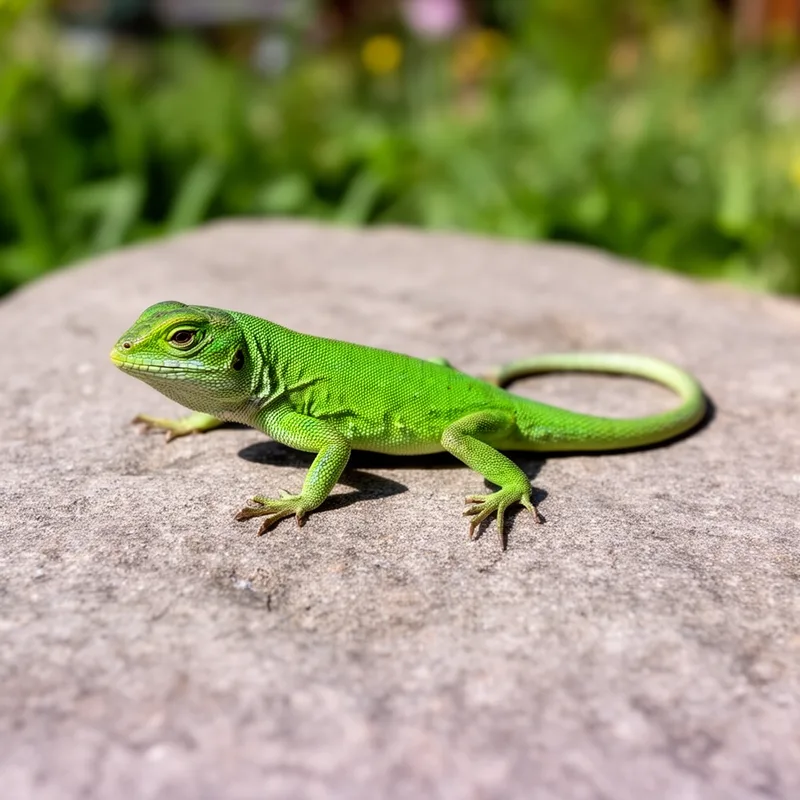
lizard
 103
1.0
103
1.0

- noun
- /ˈlɪzərd/
- In the sun, the green lizard basked on a warm rock, its scales shimmering.
- lizard tail
- young lizards
- small lizard
Loading YouTube…
Watch on YouTubeStella says the dog sees the lizard and we'll call the lizard Jed.
- Stella says the dog sees the lizard and we'll call the lizard Jed.
- Oh, it's a it's a iguana, a lizard of some kind.
- No, Stella sees the dog, sees the lizard, and we'll call the lizard Jed.
- He needed to see how the lizards behaved during hurricane force winds.
- Now let me be clear, I don't kill lizards.
- So does the the toe, the snake, the lizard, the centipede.
- He actually invokes one of them, the Lord of the Lizards, at one point.
- She's like, man, that lizard is loud.
- I he looks like a like a like a lizard and wearing a person.
- We've got the same wiring, isn't a lizard, isn't a any ancient creature.
Examples
-
Do you realize that a lizard can lay up to 12 eggs at a time?
-
According to the report, some new kind of lizard is biting children on the coast.
Fiction book (1990) -
Does a horned lizard squirt blood from its eyelids when threatened?
-
Monkeys are omnivorous, and they eat fruit, lizards, nuts, insects and small birds.
-
Immediately, the little lizard sprang up, leaping over Grant's head into Tim's arms.
Fiction book (1990) -
The children were excited to see a lizard dart across the garden path.
-
During our hike, we spotted a small lizard quickly scurrying into the bushes.
Synonyms
 111
1.8
111
1.8
A cold-blooded animal with dry scaly skin that lays soft-shelled eggs on land, like a snake or lizard

An animal like a lizard or snake with scaly skin
Compounds


 1
7.5
1
7.5
A small spiny lizard with short horns on its head found in western North America
- Indian
1
7.4
A small tropical Asian forest lizard that glides between trees using skin flaps

- Specialized

 1
9.2
1
9.2
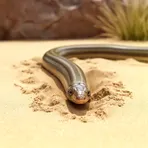
A legless lizard that looks like a snake, has eyelids and ear openings, and can grow its tail again
- US
1
7.4
A small, quick lizard that climbs trees in the western United States and northern Mexico
- Specialized
1
8.4
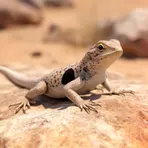
A small spotted lizard with a dark spot on each side behind the front legs

- Specialized
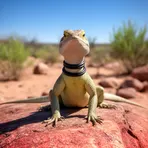
A large lizard from western Mexico with shiny black and yellow bead-like scales and a venomous bite

A large South American lizard like a small crocodile that lives near water and crushes snails and mussels


- Specialized
A slender lizard without visible ear openings found in the western United States and Mexico

- Specialized
A small active lizard from eastern North America that often sits in the sun on fences or rocks

- Specialized
A lizard from Africa, Asia, or Australia with crest-like spines and bright colors

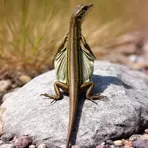
A slender lizard with short legs and a fold of skin on each side that lets the body expand

- US
A small animal with scaly skin and a long tail that sits on fences or rocks in the US

- Australian
A large Australian lizard that lives in trees, eats insects, and opens the skin around its neck to scare animals
- Specialized
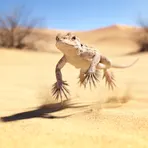
A small desert lizard with long pointed scales on its toes that help it run on sand

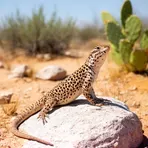
A large lizard with many dark spots that lives in the western United States and northern Mexico

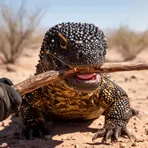
A large lizard from western Mexico that can give a dangerous bite and has small round scales like beads

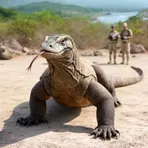
A very large lizard that lives on some Indonesian islands, for example the Komodo dragon


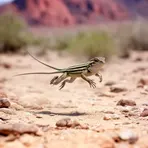
A fast desert lizard with a long black-banded tail that lives in the United States and Mexico

- Specialized
A lizard like an iguana, often with a long tail and bright throat patch in males


A small ground lizard that lives in open sagebrush areas in the western United States



- Specialized
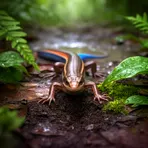
A small lizard with smooth shiny scales and short legs that often lives in moist places

- Specialized
A tropical reptile from the Americas with a long tail and large belly scales
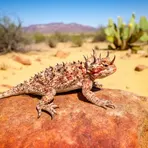
A small spiky lizard with horns and a flat body from dry areas in the southwestern United States


- Specialized
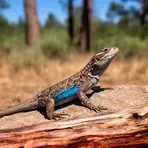
A common scaly reptile in western North America that basks on rocks and logs

How Big

Surface Forms
Etymology
The word lizard comes from the old Latin word lacerta, which meant 'lizard', and came into English through French, so the name has basically always meant the same animal.