

spiny lizard
- noun
- /ˈspaɪni ˈlɪzərd/
- US
- The desert spiny lizard is known for its habit of basking on warm rocks.
Examples
-
Many spiny lizards feed primarily on ants and other small insects.
-
The spiny lizard is known for its unique appearance.
-
You might spot a spiny lizard darting across the sand in the midday sun.
-
In the desert, you might see a spiny lizard basking in the sun.
-
While hiking in the desert, we spotted a spiny lizard sunbathing on a rock.
-
The spiny lizard quickly darted under a bush to escape the intense heat.
-
In the dry landscape, the spiny lizard blended perfectly with the rocky terrain.
Synonyms

 1
7.5
1
7.5

A small spiny lizard with short horns on its head found in western North America
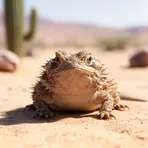
A small, round lizard with a short body and spines from North and Central America

A group of spiny horned lizards from North and Central America

A small lizard with spines on its head and rough scales that eats insects
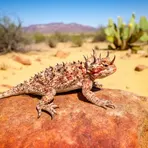
A small spiky lizard with horns and a flat body from dry areas in the southwestern United States

A group of spiny lizards from North and Central America with rough scales
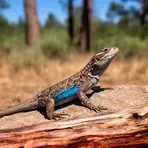
A common scaly reptile in western North America that basks on rocks and logs

A small animal with scaly skin and a long tail that sits on fences or rocks in the US
How Armored

Surface Forms
Morphology
The meaning 'a lizard with spiny scales' is directly and transparently derived from combining 'spiny' (having sharp points) with 'lizard' (a reptile). This common adjective + noun composition follows standard, cross-linguistic morphology, so a B1 learner who knows both words will readily infer the MWE's meaning.
Etymology
The noun spiny lizard comes from a simple picture: people saw a small lizard covered in sharp, spiny scales and named it for those spines. So today spiny lizard means 'a lizard with spiny scales', often found in deserts.