

spiny
 3
3.9
3
3.9

- adjective
- /ˈspaɪni/
- The waters are resplendent with hundreds of tropical fish, colorful sea stars, spiny lobsters, and massive coral formations.
- spiny lobster
- spiny species
Loading YouTube…
Watch on YouTubeAnd those little spiny protrusions are little sites where neurons can reach out and form and receive new synapses from neighboring neurons.
- And those little spiny protrusions are little sites where neurons can reach out and form and receive new synapses from neighboring neurons.
- But since our ears are only passers by on this old world which aerates the brain as a twirls round on its spiny top, they had a perch for occasional wisps.
Examples
-
Echinoderm: The starfish, with spiny skin, is a common echinoderm found at the shore.
Academic text (2015) -
The tasty innards are a treat for the gulls once extracted from the hard and spiny shell of the urchin.
Blog text (24) -
This is the spiny, the Australian spiny anteater.
-
A sticky, spiny sea urchin
Academic text (2015) -
Photo (color): This spiny oyster shell found in a king's tomb contains a large jade bead.
Academic text (2009) -
Strange birds perched in the branches of armored, spiny recops, their plumage a rainbow's blend.
Fiction book (1992) -
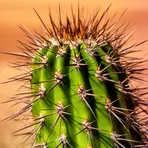
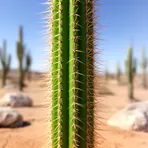
The spiny cactus in the desert can cause painful injuries if touched.
-
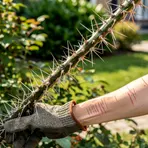
I carefully pruned the spiny rose bush to avoid getting scratched by its thorns.
-
The spiny pufferfish can inflate itself to deter predators with its sharp spines.
Synonyms
 14
3.3
14
3.3
Covered with sharp points like thorns that can hurt to touch
 6
4.2
6
4.2
Covered with sharp points like those on rose bushes
 6
4.4
6
4.4
A thing with sharp points like wire or animal spines that can hurt and catch on things
 1
4.6
1
4.6
Covered with short, stiff hairs that feel rough
 1
9.0
1
9.0
Having sharp pointed parts like thorns that protect a plant or animal
A thing with sharp pointed parts like thorns
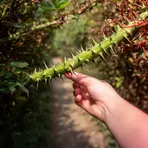
Having sharp, pointed parts that can prick the skin

Having many small sharp points on the surface like tiny spikes on a plant or insect

Having sharp, pointed parts like quills or thorns on the body
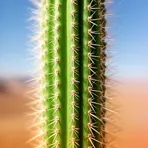
Having small sharp spines or thorns on the surface

Covered with many small sharp points like spines
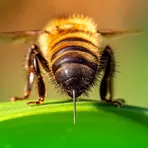
Having sharp spines or points like a stinger
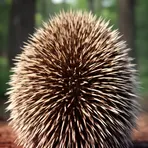
Covered with stiff, sharp spines like a porcupine

Having small prickles that stick to clothes or fur

Covered with many small sharp hooks that stick to clothes or fur

Full of thorny plants that can prick you

Covered with many short stiff hairs or small sharp points

Having many short stiff hairs like those on a brush

Having many short stiff hairs like bristles
Antonyms

Compounds


 1
4.2
1
4.2
A large sea animal with a spiny shell and no big claws, often eaten in warm seas

A small thin shark with sharp spines on its back found in Atlantic coastal waters

A small shark that has two spines on its back and lives along the Pacific coast of North America

- Australian
A mammal that digs burrows, lays eggs, has sharp spines, and eats ants and termites


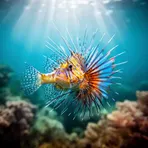


- Specialized
A parasite that lives in animal intestines and can pull its spiny head back to hold on


A freshwater turtle with a soft, warty shell that lives in calm rivers and lakes

A low cushion plant with pink flowers and leaf middle veins that stay as spines


Thin plant from western North America that lives for several years with slightly hairy leaves and yellow flowers
How Spiny

Surface Forms
Morphology
Etymology
Spiny comes from the word spine, which meant 'thorn' or 'backbone', and the ending -y means 'full of'. So a spiny plant or animal is 'full of sharp points', like a cactus or a sea urchin.