

setaceous
- adjective
- /sɪˈteɪʃəs/
- Specialized
- Some plants develop setaceous leaves as a defense against herbivores.
Examples
-
The setaceous hairs on the plant help reduce water loss.
-
The ornithologist noted the setaceous tips of the bird's tail feathers.
-
Many caterpillars are setaceous, with rows of fine hairs covering their bodies.
-
Many insects have setaceous features that aid in camouflage.
-
Many caterpillars are setaceous, with rows of fine hairs covering their bodies.
-
The plant's leaves are setaceous, making them less palatable to herbivores.
-
The ornithologist noted the setaceous tips of the bird's tail feathers.
Synonyms

 1
4.6
1
4.6

Covered with short, stiff hairs that feel rough
 1
6.3
1
6.3
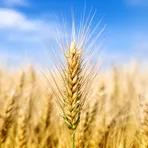
With long stiff hairs that grow on the seed heads of some grains

Having many short stiff hairs like bristles

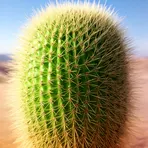
Covered with many short stiff hairs or small sharp points
Having short stiff hairs like a brush

Covered with many small sharp points like spines
How Bristly

Surface Forms
Morphology
Etymology
Setaceous comes from the Latin root seta, meaning 'bristle', plus the ending -aceous, meaning 'made of' or 'like'. So setaceous means 'bristly', like the stiff hairs on a caterpillar or the bristles of a brush, which helps you remember its current meaning.