
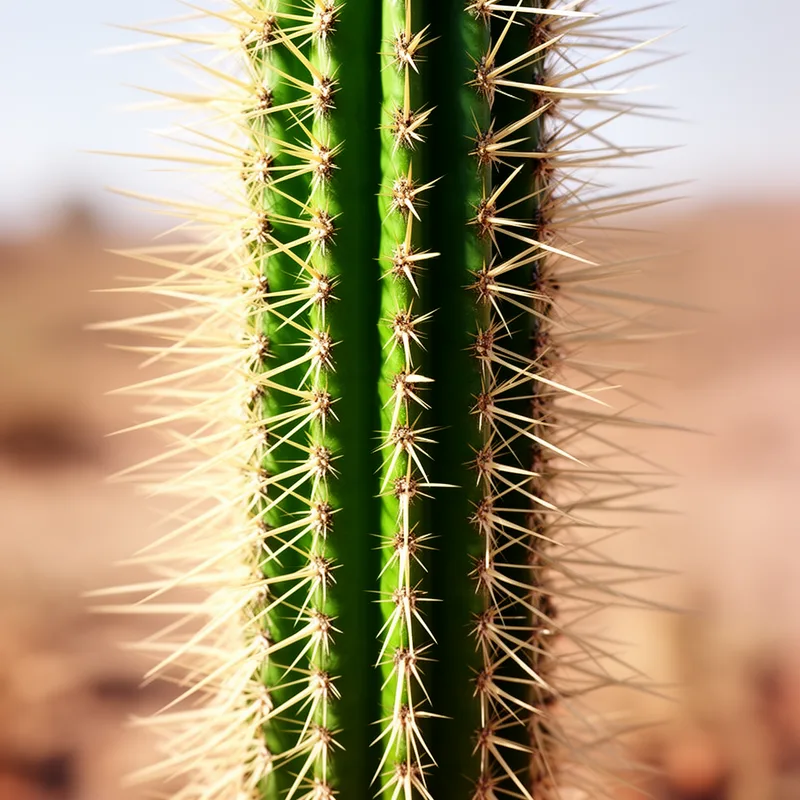
spinose
- adjective
- /ˈspɪnoʊs/
- Specialized
- The cactus has spinose stems that deter herbivores.
Examples
-
Some insects develop spinose legs as a defensive adaptation.
-
Many marine animals, like sea urchins, have spinose shells for protection.
-
The spinose cactus can survive in harsh environments.
-
Many spinose plants thrive in arid regions.
-
Many marine animals, like sea urchins, have spinose shells for protection.
-
The cactus has spinose stems that deter herbivores.
-
Some insects develop spinose legs as a defensive adaptation.
Synonyms
 6
4.2
6
4.2

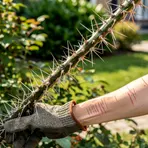
Covered with sharp points like those on rose bushes
 3
3.9
3
3.9
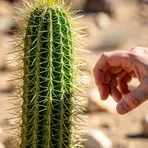
Covered with sharp points or thorns that can hurt you
 1
9.0
1
9.0
Having sharp pointed parts like thorns that protect a plant or animal

Having many small sharp points on the surface like tiny spikes on a plant or insect

Having sharp, pointed parts like quills or thorns on the body
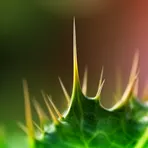
Shaped like a thin pointed spine or thorn
How Spiny

Surface Forms
Morphology
Etymology
The word spinose comes from the Latin root spina, meaning 'thorn' or 'spine', and the ending -ose, meaning 'full of'. It is like the English word 'spine' or 'spiny', so spinose means 'full of thorns' and is used for plants or animals with sharp spines.