
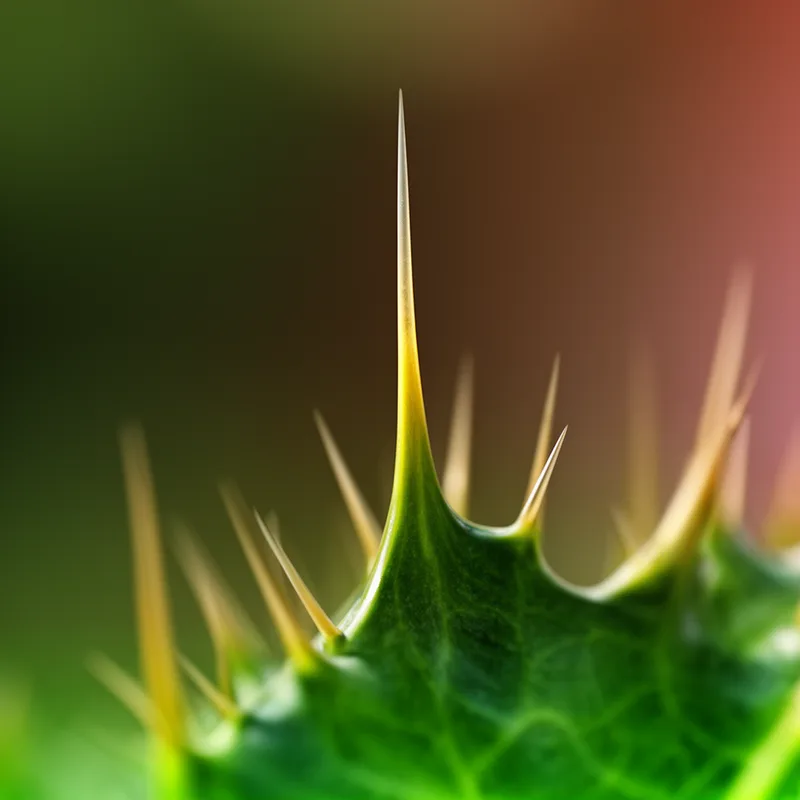
acanthoid
- adjective
- /əˈkænθɔɪd/
- Specialized
- The fossil showed an acanthoid projection resembling a small thorn.
Examples
-
Many cacti have acanthoid features that deter herbivores.
-
Marine organisms with acanthoid structures are adapted to protect themselves from predators.
-
The plant's acanthoid leaves deterred most animals from eating it.
-
The acanthoid structures of the plant were fascinating.
-
The plant's acanthoid leaves deterred most animals from eating it.
-
Many cacti have acanthoid features that deter herbivores.
-
The fossil showed an acanthoid projection resembling a small thorn.
Synonyms

 1
9.0
1
9.0

Having sharp pointed parts like thorns that protect a plant or animal
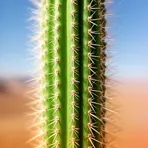
Having small sharp spines or thorns on the surface
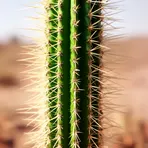
A thing with sharp pointed parts like thorns
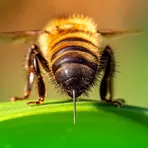
Having sharp spines or points like a stinger

Long, very thin, and pointed like a needle
How Spiny

Surface Forms
Morphology
acanthoid = acanthus (opaque) = acanth + oid
Both the combining form 'acanth-' and the suffix '-oid' are technical/learned elements; an average B1 learner would not reliably derive 'shaped like a spine/thorn' from them.
Etymology
The word acanthoid comes from the Greek part acanth- meaning 'thorn' and the ending -oid meaning 'like'. So acanthoid means 'thorn-like' or 'shaped like a spine', which is why we use it for things that look like small thorns or spines.