

neuropterous insect
- noun
- /ˌnjʊəˈrɒptərəs ˈɪnsekt/
- Specialized
- Scientists study neuropterous insects like antlions and lacewings for their role in pest control.
Examples
-
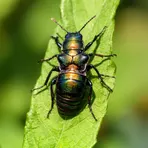
The delicate wings of a neuropterous insect are covered in a fine network of veins.
-
A neuropterous insect can often be identified by its large, transparent, net-veined wings.
-
A neuropterous insect can be seen in the garden.
-
The neuropterous insects are fascinating to observe.
-
A neuropterous insect can often be identified by its large, transparent, net-veined wings.
-
Scientists study neuropterous insects like antlions and lacewings for their role in pest control.
-
The delicate wings of a neuropterous insect are covered in a fine network of veins.
Synonyms
 341
1.0
341
1.0

A small animal with a body in three parts, six legs and often wings

An insect with a biting mouth and four thin wings with net-like veins

An insect with four large wings covered in many thin lines and jaws for biting
Surface Forms
Morphology
neuropterous + insect
The phrase is a regular adjective + noun composition: if a learner knows 'neuropterous' (i.e. relating to Neuroptera or having netlike-veined wings) and 'insect', they can directly infer it means an insect with neuropterous features. The adjective is technical and low-frequency, but the compositional relation is predictable and follows standard grammatical patterns, so the meaning is transparent given knowledge of both constituents.
Etymology
Neuropterous insect may come from Greek parts: neuro- meaning 'nerve' and -pterous meaning 'winged'. So the name helps you remember the insect's look: it has large, clear wings covered in many thin, 'nerve'-like veins that form a net-like pattern.