
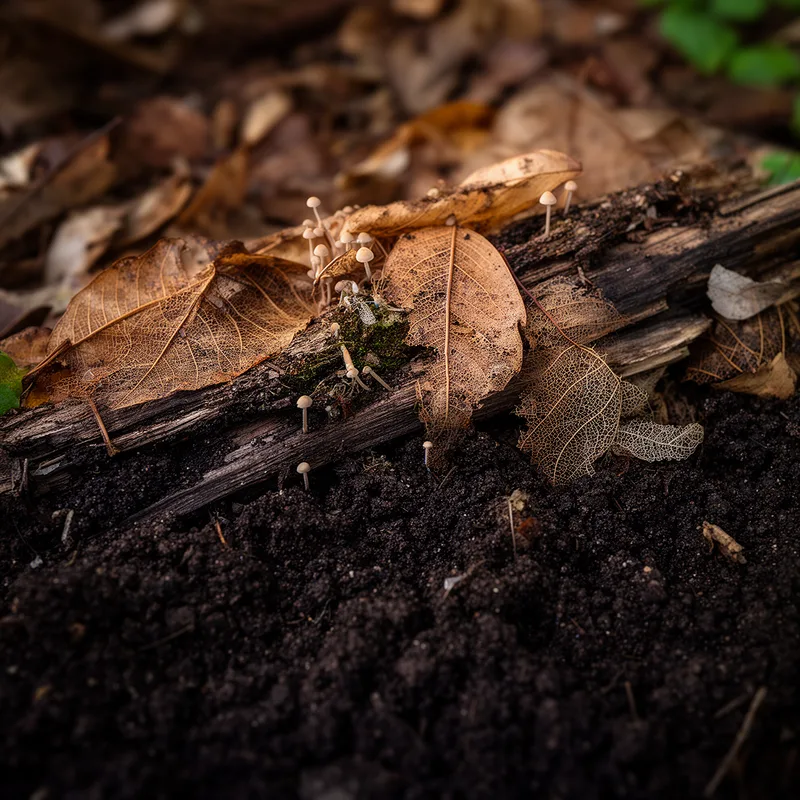
decomposition
 23
5.3
23
5.3

- noun
- /ˌdiːkɒmpəˈzɪʃən/
- Specialized
- The decomposition of organic matter is essential for the nutrient cycle in ecosystems.
- decomposition of organic matter
- decomposition of organic matter
- litter decomposition
Loading YouTube…
Watch on YouTubeHumus is this beautiful fluffy, this beautiful fluffy byproduct of decomposition.
- Humus is this beautiful fluffy, this beautiful fluffy byproduct of decomposition.
- If they were out in the Aurora woods, that would go into the timeline of death and decomposition that I've mentioned before.
- Upon a client's death, specialized teams initiate the cryopreservation process promptly to prevent cellular decomposition.
- It's formed by the organic decomposition of plants and material over thousands of years, primarily found in the Himalayas.
Examples
-
It's formed by the organic decomposition of plants and material over thousands of years, primarily found in the Himalayas.
-
The carbon stored in plants can follow multiple subsequent pathways, such as herbivory, harvest, and decomposition, among others.
Academic text (2011) -
The body shows weeks of decomposition.
-
Looks like a pretty advanced stage of decomposition.
-
It's two weeks, judging from the rate of decomposition.
-
So that's why decomposition is important, right?
-
The decomposition is advanced, leaving investigators to speculate that the body has been here for some time.
-
Water content controls microbial activity and the decomposition rate of crop residues.
Academic text (1994) -
The nitrogen needed by plants for biosynthesis and growth is liberated by microbially mediated decomposition.
Academic text (1994) -
Over the millennia, the Alpine cold and sun protected Otzi's body from decomposition, freezing and drying it out in cycles and leaving critical clues for researchers.
Synonyms
 24
1.6
24
1.6
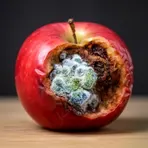
The breaking down of things like food or wood by bacteria and mold
 19
4.1
19
4.1
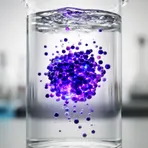
A process in which a substance is broken into simpler parts by chemicals or living things
 19
3.4
19
3.4
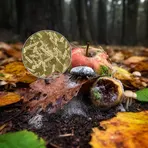
The breaking down of dead plants or food by bacteria and fungi
 6
6.2
6
6.2
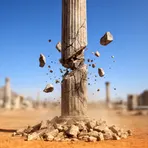
Something breaks into smaller pieces and falls apart
 3
3.4
3
3.4
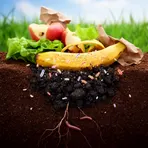
The breaking down of dead plants and animals by bacteria or fungi
 3
5.1
3
5.1
Bacteria break down organic waste to reduce it and make methane
 3
8.9
3
8.9
The rotting of dead plants or animals that makes a bad smell
 2
9.5
2
9.5
A short word for when part of the body stops working properly
 1
4.6
1
4.6
A process where living things like bacteria break substances into natural parts
Compounds

- Specialized
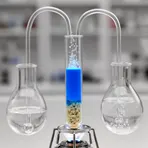
A chemical reaction where one compound breaks into two or more different substances
- Specialized
A reaction where one compound breaks into two or more simpler substances

- Specialized
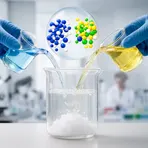
A reaction between two chemical compounds where parts swap to form two new compounds
- Specialized
A chemical change where two compounds exchange parts to make two new compounds

- Specialized
To split a vector into parts along certain directions, for example north and east
How Decayed
- Specialized
23
5.3
 19
3.4
19
3.4
Surface Forms
Morphology
Etymology
The word decomposition comes from de- 'down' or 'away' and compose 'put together', so it means breaking something apart into smaller pieces. A helpful image is a compost heap, where dead plants are broken down by tiny organisms into rich soil, which is exactly what happens to organic matter.