

decomposition reaction
- noun
- /ˌdiːkɒmpəˈzɪʃən ˌriːˈækʃən/
- Specialized
- A decomposition reaction occurs when a single compound breaks down into simpler substances, like when hydrogen peroxide decomposes into water and oxygen.
Examples
-
When calcium carbonate is heated, it undergoes a decomposition reaction, producing calcium oxide and carbon dioxide.
-
However, if this decomposition reaction occurred very readily, then we would call that molecule labile, all right?
-
Because the decomposition reaction is an endothermic reaction, the temperature in the gasifier declines.
Blog text (32) -
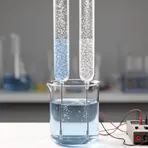
Electrolysis of water is an example of a decomposition reaction, as it separates water into hydrogen and oxygen gas.
Synonyms
 19
4.1
19
4.1

A process in which a substance is broken into simpler parts by chemicals or living things
 2
5.7
2
5.7
Breaking a substance into simpler parts

A chemical reaction where one compound breaks into two or more different substances
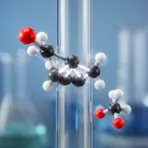
A chemical reaction in which one molecule breaks into two smaller molecules by losing atoms or small groups
How Complete

Surface Forms
Morphology
The meaning is directly derivable from the constituents: 'decomposition' (breaking down into simpler parts) combined with 'reaction' (a chemical process) yields a chemical process in which a substance breaks down into simpler substances. This is a standard compositional scientific term (cross-linguistically common in technical vocabularies), so a B1 learner who knows both words would readily infer the MWE meaning.
Etymology
Decomposition reaction comes from the idea that decomposition means 'breaking apart' and reaction means a chemical change. Imagine a tower of blocks falling into separate pieces — that picture shows how one substance breaks into two or more simpler ones, so the term means 'a reaction in which a single compound breaks down into simpler substances'.