

decomposition
 2
5.7
2
5.7

- noun
- /ˌdiːkɒmpəˈzɪʃən/
- Specialized
- So here is the decomposition of ozone.
Loading YouTube…
Watch on YouTubeThey used very elaborate apparatus, glass alembics in which they would use heat to produce chemical decompositions.
- They used very elaborate apparatus, glass alembics in which they would use heat to produce chemical decompositions.
Examples
-
Additionally, the alkaline reaction solution may have led to the decomposition of MEKO.
Academic text (2018) -
"We are losing about an inch of organic soil a year to rapid decomposition caused by exposure to air from drainage," Ray says.
Academic text (1997) -
Additionally, heat and the time period found would have led to decomposition.
Blog text (27) -
Also, when in a sealed container, the decomposition generates chlorine gas.
Blog text (29) -
Wet, warm summers provide favorable conditions for decomposition, nutrient loss, herbivores, and diseases of leaves.
Academic text (1997) -
Because the decomposition reaction is an endothermic reaction, the temperature in the gasifier declines.
Blog text (32) -
The scientists studied the decomposition of organic materials to better understand soil health.
-
In nature, the decomposition of dead plants returns vital nutrients to the ecosystem.
-
After the experiment, the researchers measured the decomposition rates of various organic compounds.
Synonyms
 19
4.1
19
4.1
A process in which a substance is broken into simpler parts by chemicals or living things
 6
6.2
6
6.2
Something breaks into smaller pieces and falls apart
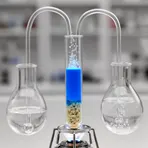
A reaction where one compound breaks into two or more simpler substances

A chemical reaction where one compound breaks into two or more different substances
Compounds
- Specialized
A chemical reaction where one compound breaks into two or more different substances
- Specialized
A reaction where one compound breaks into two or more simpler substances

- Specialized
A reaction between two chemical compounds where parts swap to form two new compounds

- Specialized
A chemical change where two compounds exchange parts to make two new compounds

- Specialized
To split a vector into parts along certain directions, for example north and east
How Complete

Surface Forms
Morphology
Etymology
The word decomposition comes from the prefix de- meaning 'down' or 'away' and the root compose meaning 'put together', so it means taking apart what was once put together. In chemistry this describes how a compound is broken into simpler substances.