

double decomposition reaction
- noun
- /ˈdʌbəl ˌdiːˌkɒmpəˈziːʃən rɪˈækʃən/
- Specialized
- In a typical double decomposition reaction, silver nitrate reacts with sodium chloride to produce silver chloride and sodium nitrate.
Examples
-
The chemistry teacher demonstrated a double decomposition reaction by mixing two clear solutions that suddenly formed a solid.
-
In a double decomposition reaction, compounds exchange ions.
-
A double decomposition reaction occurs when two solutions are mixed and a precipitate forms.
-
A typical double decomposition reaction involves two ionic compounds.
-
In a typical double decomposition reaction, silver nitrate reacts with sodium chloride to produce silver chloride and sodium nitrate.
-
The chemistry teacher demonstrated a double decomposition reaction by mixing two clear solutions that suddenly formed a solid.
-
A double decomposition reaction occurs when two solutions are mixed and a precipitate forms.
Synonyms

A reaction between two chemical compounds where parts swap to form two new compounds
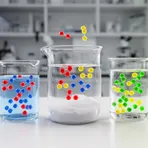
Two compounds swap parts to make two new compounds

Two compounds swap ions to make two new compounds
Surface Forms
Morphology
double + decomposition + reaction
The words 'double' (twofold) and 'reaction' (chemical process) give a general cue that this is a two-part chemical process, but 'decomposition' normally suggests breaking into simpler substances, which does not accurately describe the specific exchange-of-parts (double displacement) mechanism. A B1 learner who knows the constituents would get a partial but misleading picture and would not reliably infer the precise meaning without prior exposure or domain knowledge.
Etymology
Double decomposition reaction gives a simple picture: imagine two dancing pairs who 'swap partners', so each pair becomes a new pair. That image fits the chemistry idea: double means two, decomposition suggests breaking into parts, and in the reaction the two compounds 'exchange parts' to make two new compounds.

