

chemical decomposition reaction
- noun
- /ˈkɛmɪkəl ˌdiːkɒmpəˈzɪʃən rɪˈækʃən/
- Specialized
- A chemical decomposition reaction occurs when hydrogen peroxide breaks down into water and oxygen.
Examples
-
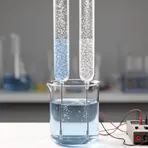
A classic example of a chemical decomposition reaction is the electrolysis of water.
-
Heat can often trigger a chemical decomposition reaction in certain compounds.
-
A chemical decomposition reaction occurs when water is split into hydrogen and oxygen.
-
Many chemical decomposition reactions happen naturally in the environment.
-
A chemical decomposition reaction occurs when hydrogen peroxide breaks down into water and oxygen.
-
A classic example of a chemical decomposition reaction is the electrolysis of water.
-
Heat can often trigger a chemical decomposition reaction in certain compounds.
Synonyms
 2
5.7
2
5.7

Breaking a substance into simpler parts
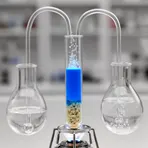
A reaction where one compound breaks into two or more simpler substances
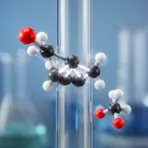
A chemical reaction in which one molecule breaks into two smaller molecules by losing atoms or small groups
Surface Forms
Morphology
chemical + decomposition + reaction
The phrase is fully compositional: 'chemical' (relating to chemistry) + 'decomposition' (breaking down into simpler parts) + 'reaction' (a chemical process) directly yield the meaning of a reaction in which a compound breaks down into other substances. This transparent composition follows standard scientific naming patterns and would be understandable to a learner who already knows the constituent words.
Etymology
Chemical decomposition reaction gives a simple picture: a single chemical goes through decomposition during a reaction, like a toy falling into pieces. So it means one compound 'breaks down' into 'two or more substances'.