

chemical
 579
3.5

- adjective
- /ˈkɛmɪkəl/
- She learned about the chemical properties of water during her chemistry class.
- chemical reactions
- chemical compounds
- chemical fertilizers
Loading YouTube…
Watch on YouTubeAnd in fact, this is where your chemical intuition falls apart.
- And in fact, this is where your chemical intuition falls apart.
- That's their kind of chemical version of a pep talk.
- It's just that more money's gone into chemical rockets, right?
- That leads to a huge variety of chemical machines.
- Here we're talking about chemical interventions to the pain process.
- So let's imagine chemical rockets of the type that we used.
- We know that ants, you know, follow chemical trails and, and be human beings.
- Are they, are they, are they worried about the chemical weapon threat?
- So each molecule in the universe has a chemical fingerprint.
- You know, Moussi was outset chemical weapon is going out.
Examples
-
Eventually, the temperature becomes high enough that chemical reactions change the makeup of the gas.
Academic text (2011) -
We're gonna form chemical bonds using heat.
-
So that smell, this one like chemical, you smell that, right?
-
These smell like straight up chemical and I can taste it.
-
Every one of these plants is a chemical factory, right?
-
These are electrochemical or chemical storage for our energy.
-
Fortunately, it has a very distinct chemical footprint.
-
I just have this chemical imbalance.
-
I am medicated for a chemical imbalance.
-
They say it's genetic, they say it's a chemical imbalance.
Compounds

- Literature
138
4.6
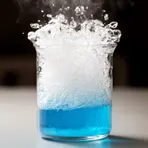
A harmful chemical that kills or hurts people, animals and plants in war


- Specialized
15
5.6
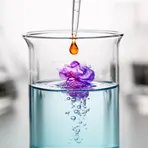
The use of poisonous chemicals as weapons to kill or hurt people
- Specialized
13
4.1
A substance used to cause or speed up a change in other substances

- Specialized
11
2.8
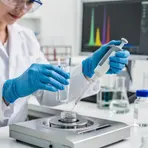
A substance made of two or more elements joined in fixed amounts, like water

- Specialized
8
3.5
To test a substance to find what elements or compounds are in it
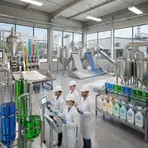 6
3.7
Businesses and factories that make materials used in medicines, plastics and cleaners

- Specialized
6
4.1
A field that designs machines and processes using chemistry to make products like fuels and plastics


- Specialized
3
3.7
A pure substance made of atoms that all have the same number of protons, like oxygen or gold
- Specialized
3
3.2
A material used in reactions or to make other things like medicines
- NSFW
3
5.8
A weapon that releases toxic chemicals when it explodes to kill or harm people
- Specialized
3
4.0
Power stored inside substances that is released when they react together

- Specialized
3
3.6
Symbols that show which elements are in a substance and how many of each

- Specialized
3
3.7
A process that turns one substance into a different one by changing its atoms or molecules

- Formal
2
3.8
An international agreement that bans creating, storing, moving or using chemical weapons

- Specialized
1
7.9
Using dangerous chemicals as weapons to harm people and cause fear

- Specialized
1
5.1
A state in a reaction where forward and reverse reactions happen equally so amounts stay constant

An international group that helps countries destroy chemical weapons and checks they do not make or use them

- Specialized
1
6.1
An exact scale in a lab for measuring very small amounts of chemicals

- Specialized

 1
4.4
Actions and equipment used to protect people and deal with attacks or accidents involving dangerous chemicals


- Specialized
1
3.5
A small group of atoms joined together that is part of a larger molecule and gives it certain properties

- Specialized
1
5.1
How a substance reacts in a chemical reaction and becomes a different substance

- Specialized
1
3.5
A process in which substances change into new substances, for example rusting or cooking

- Specialized
1
4.9
A chemical test that measures how much of each substance is in a sample
- Specialized
1
4.5
A long series of atoms joined together that forms part of a molecule like in plastic

- Specialized
1
4.8
A substance that makes skin, eyes or breathing feel sore, like tear gas

- Specialized
1
7.1
A substance made in a lab for scientists to test, not for medical use
- Specialized
1
4.6
A change where substances become new substances when they react together
- Specialized
1
5.3
A mild form of diabetes that shows abnormal blood sugar tests but no clear symptoms
- Specialized
1
5.3
A system of symbols and formulas that shows chemical elements, compounds, and reactions
 1
6.8
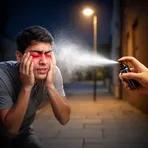
A liquid spray that makes eyes burn and makes people feel dizzy so they cannot move

- Specialized
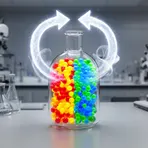
A chemical reaction where one compound breaks into two or more different substances

- Specialized
A rule that in a reversible chemical reaction the forward and reverse reactions happen at the same rate at equilibrium

- Specialized
A chemical used in scientific research that is not controlled by authorities
How Enzymatic

Surface Forms
Morphology
Etymology
Chemical comes from the old word alchemy, the early art of trying to 'change' metals into gold and to work with strange substances, and it shares its root with chemistry. So chemical now describes things or processes that involve the study and change of substances.