

chemical phenomenon
- noun
- /ˈkɛmɪkəl fəˈnɛmənən/
- Specialized
- The formation of rust on iron objects is a well-known chemical phenomenon that occurs when iron reacts with oxygen in the presence of moisture.
Examples
-
Understanding the chemical phenomenon of photosynthesis helps explain how plants convert sunlight into energy.
-
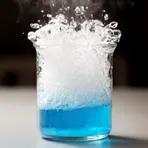
During the experiment, we observed a fascinating chemical phenomenon when the two substances reacted and changed color.
-
Not even at the beginning of the scientific revolution of the last four centuries did scientists commonly seek explanations of physical and chemical phenomena in terms of a corpuscular model.
Academic text (2004)
Synonyms

 123
3.0
123
3.0

A process where substances change and form new substances
 24
3.1
24
3.1
A change where substances turn into different substances
 4
3.5
4
3.5
A process that changes the tiny particles that make a substance
 1
3.7
1
3.7
A process that turns one substance into a different one by changing its atoms or molecules

A process in which substances change into new substances, for example rusting or cooking
Surface Forms
Morphology
The meaning is directly compositional: 'chemical' (relating to chemistry) modifies 'phenomenon' (an observable event), so a learner who knows both words can infer it refers to an event or process involving chemical change. This is a regular adjective + noun combination found across languages and follows standard semantic composition, making it immediately understandable to B1 learners.
Etymology
Chemical phenomenon paints a simple picture: chemical means substances that can react and phenomenon means an 'event' you can see. So when you see fizzing, color change or smoke, you are seeing a chemical phenomenon, a natural 'event' where things change because of chemistry.