

digestion
 3
5.1
3
5.1

- noun
- /dɪˈdʒɛsʧən/
- Specialized
- Thus, during the critical first stage of digestion when oxygen demand is highest, the sludge is at its most viscous.
- anaerobic digestion
- aerobic digestion
- wet digestion
Examples
-
Modifications to the digestion tanks and operational changes due to new management created odor emissions.
Academic text (1999) -
And humic acid comes from the breakdown or the digestion of organic material in the worm's stomach.
-
Don't let the waste products of digestion accumulate.
-
And it's the less healthy, more harmful, toxic byproducts of digestion that start to damage the single cell lining.
-
After several days of digestion, the solution acquired a sweet, tart taste but did not crystallize.
-
Case studies of biowaste recovery facilities: anaerobic digestion systems and how they are managed.
Academic text (1998) -
The options for biowaste management include composting, anaerobic digestion, and conversion to animal feed.
Academic text (1998) -
The plant successfully powered itself with the biogas produced from the digestion processes (with excess fuel to spare).
Academic text (1999) -
Anaerobic digestion, aerobic digestion, and lime stabilization are the most common methods of sewage sludge stabilization.
Academic text (1999) -
The process of anaerobic digestion converts organic waste into biogas, which can be used for energy.
Synonyms
 23
5.3
23
5.3
Breaking dead plants and animals into simpler material by bacteria and fungi
 2
4.2
2
4.2
A process where tiny living things like yeast turn sugar into alcohol and gas
 1
4.6
1
4.6
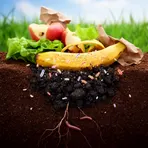
A process where living things like bacteria break substances into natural parts
Compounds


How Complete
- Specialized
3
5.1

- Specialized
24
2.1
- Specialized
23
5.3
- Specialized
Surface Forms
Morphology
Etymology
Digestion in waste treatment uses the same idea: the Latin parts dis- 'apart' and gerere 'to carry' give the sense of 'carrying apart'. Tiny bacteria and heat 'carry apart' or break down organic matter, so calling that process digestion fits the original idea of breaking things into parts we can handle.