
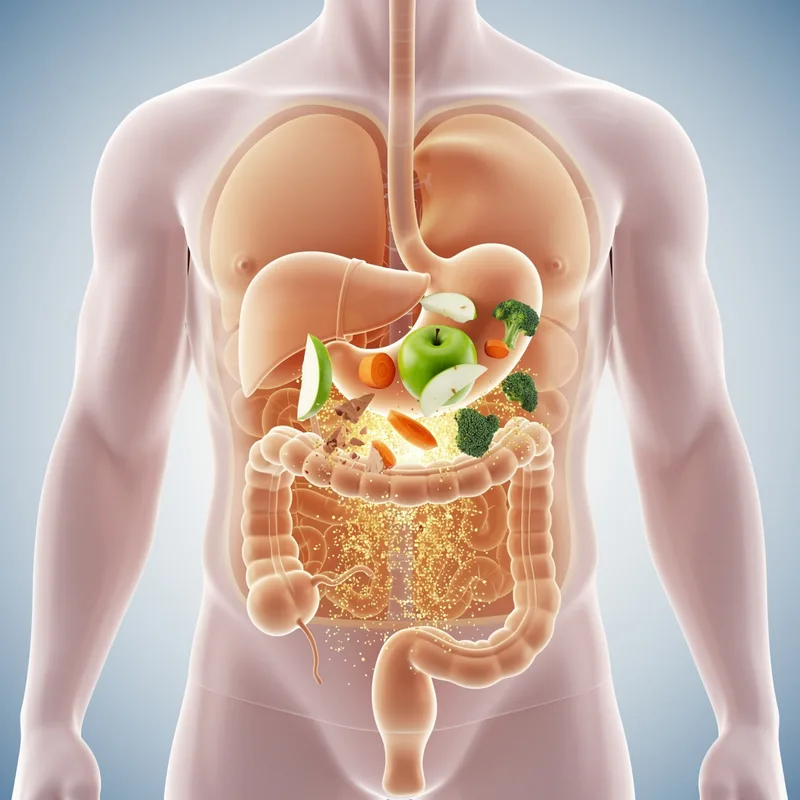
to digest
 52
2.8
52
2.8

- verb
- /dɪˈdʒɛst/
- Infections caused blood poisoning and his inability to intake and digest any food.
- digest food
- eat and digest
- take days to digest
Loading YouTube…
Watch on YouTubeAnd finally, they help digest and absorb nutrients.
- And finally, they help digest and absorb nutrients.
- It's meant to help you to digest and absorb fat in your diet.
- You have proteases that are there to digest proteins, right?
- Well, they get it from the the, the lichen that's digested in reindeer stomachs.
- Lipase, which helps you digest lipids or fats.
- Raw foods are harder to digest than most cooked foods.
- Just the, the calorie cost of digesting protein is more so than carbs and fats.
- But most humans can't properly digest sugar alcohols.
- You want easily digested protein, easily digested fiber in easily digested fat.
- Now if you break the nuts down so they're easier to digest by making them into peanut butter.
- Sleep, digest your food, grow your muscles and so on and so forth.
- And so if they're not able to digest their fat, they have a fatty poop.
- Soup is amazing because it digests so fast because it's obviously boiled.
- Also it helps you digest real human food like meat and other things.
Examples
-
Japanese have different digestive systems, and foreign rice cannot be properly digested by our bodies.
Fiction book (1996) -
It's meant to help you to digest and absorb fat in your diet.
-
But what is really there is the memory of how to digest food, right?
-
So now we can digest our food.
-
And finally, they help digest and absorb nutrients.
-
You have proteases that are there to digest proteins, right?
-
That's how you digest food, specifically proteins.
-
Raw foods are harder to digest than most cooked foods.
-
Our people have always been good at digesting even the most indigestible items on life's menu.
Fiction book (1991) -
After eating dinner, it is important to give your body time to digest the food properly.
Synonyms
 36
3.7
36
3.7
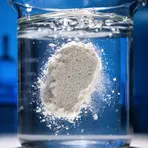
To make something separate into smaller parts by a chemical process
 19
6.5
19
6.5
Change food and chemicals inside a living thing so it can use them or get rid of them

To eat and break down tiny particles or bacteria inside the body, usually by white blood cells
How Digested
- Specialized
19
6.5

- Specialized
4
7.7
52
2.8
- Specialized
36
3.7
Surface Forms
Etymology
The word digest comes from Latin parts dis- 'apart' and gest 'carry', giving the image of 'breaking apart' and moving pieces. So to digest food is to break it down into small parts the body can absorb and use.