
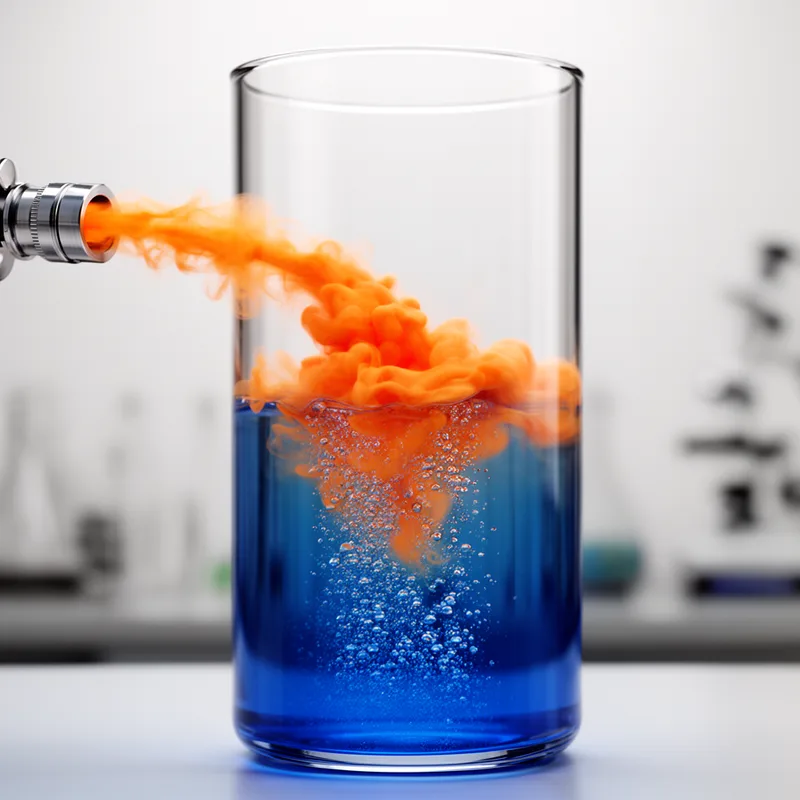
to assimilate
 4
7.7
4
7.7

- verb
- /əˈsɪməˌleɪt/
- Specialized
- However, more nitrogen is generally applied to the land than can be assimilated by the vegetation.
- assimilate nutrients
Loading YouTube…
Watch on YouTubeBut I I think that your blood assimilates very quickly, like foreign blood.
- But I I think that your blood assimilates very quickly, like foreign blood.
Examples
-
The influences of Indian and Mid-Eastern music have also been assimilated through formal and modal approaches to composition and performance.
Academic text (1993) -
The ability of coastal waters to assimilate nutrients such as nitrogen and phosphorus has been the subject of intense research.
Academic text (2001) -
The whole system is built on being able to assimilate all that comes in.
Blog text (1) -
Also, the smaller size of most freshwater systems limits their ability to assimilate waste.
Academic text (2009) -
At once, he was assaulted with so many smells that his starving body could barely assimilate them all.
Fiction book (2002) -
More often, the public attention given to these disasters fades as the ocean assimilates the pollution.
Academic text (1993) -
Literary language, much like the fire Ponge describes in "Le Feu," nourishes itself by assimilating reality into itself.
Academic text (1993) -
The chemical process allows the solution to assimilate the gas quickly.
-
During the reaction, the heat is needed to help the substance assimilate the light effectively.
-
This method enables bacteria to assimilate the nutrients from their environment.
Synonyms
 179
4.1
179
4.1
To join things or ideas so they form one whole
 2
7.4
2
7.4
To make a solid mix into a liquid so it seems to disappear

 1
4.9
1
4.9
Joined together to make one whole

To make a substance dissolve in a liquid, often by adding a chemical
Antonyms
How Absorbed

Surface Forms
Etymology
Assimilate comes from the Latin parts ad- 'to' and similis 'like', which is the idea of similar. That is why when a plant or material 'assimilates' gas or heat, it takes it in and makes it part of itself, so the new thing becomes more 'like' the rest.