
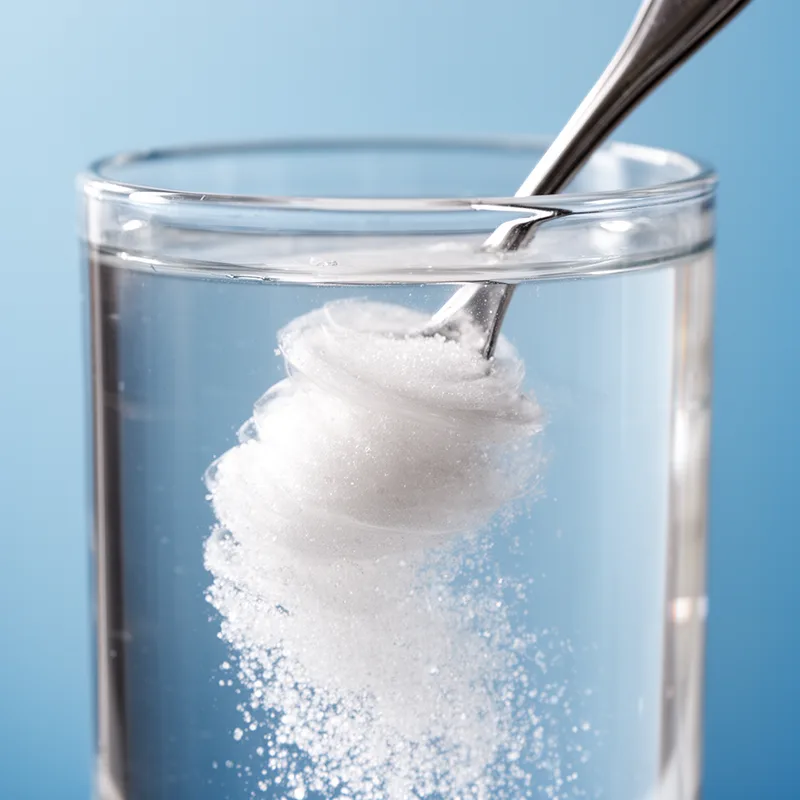
to dissolve
 64
2.4
64
2.4

- verb
- /dɪˈzɑlv/
- Why does salt dissolve in water but oil doesn't?
- dissolve in water
- stir until dissolved
- dissolved oxygen
Loading YouTube…
Watch on YouTubeWhy doesn't the oil just dissolve into solvent?
- Why doesn't the oil just dissolve into solvent?
- Well, if I add them to the water, they dissolve, dyeing the water blue.
- So it's going to help to dissolve the plaque there.
- The human stomach can dissolve a razor blade.
- And you take your, your, your, your crystal and you dissolve it in a matrix, a solvent.
- Also, they ship with recyclable peanuts that dissolve in water and our grass is wet.
Examples
-
The shells of the eggs had dissolved, but the moist environment had preserved their membranes.
Academic text (2008) -
And then after a couple of days, it's completely dissolved.
-
I want you to let it dissolve, okay?
-
I need to dissolve this.
-
So it's going to help to dissolve the plaque there.
-
The instant coffee really needs the milk to dissolve itself, right?
-
If you have another attack, dissolve 1 of these under your tongue, and swallow the saliva.
-
Our product dissolves completely in ordinary gasoline, making it absolutely undetectable.
-
Stir the masa into 5 cups of water until it "dissolves" into a smooth mixture.
Academic text (1994) -
When heated, sugar will dissolve in water, creating a sweet solution.
Synonyms
 2
7.4
2
7.4
To make a solid mix into a liquid so it seems to disappear

To make a substance dissolve in a liquid, often by adding a chemical
Antonyms

How Rehydrated

Surface Forms
Morphology
Etymology
Dissolve comes from the parts dis- 'apart' and solve 'loosen', the same root as solve and solution. So when something dissolves in water its tiny parts are 'loosened apart' and spread into the liquid.