

cranial
 32
6.5
32
6.5

- adjective
- /ˈkreɪniəl/
- Specialized
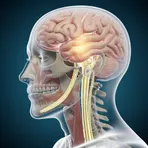
- During the anatomy class, we learned about the various cranial bones that protect the brain.
- cranial nerve
- cranial fossa
- cranial nerve palsy
Loading YouTube…
Watch on YouTubeThe Vegas is outside the the cranial vault, obviously.
- The Vegas is outside the the cranial vault, obviously.
- It's the largest cranial nerve in the body, right?
- They're the only part of your brain that sits outside the cranial vault.
- There are other types of things like cranial capacity, standing upright, looking forward.
- The correct answer is weenus for the slang version or the cranial skin.
- I went for my cranial sacral therapy.
Examples
-
There are other types of things like cranial capacity, standing upright, looking forward.
-
The most common presenting complaint is diplopia, which is caused by cranial nerve compression.
Academic text (2008) -
"There can be four or five of the same right or left cranial bone.
Academic text (2011) -
It's the largest cranial nerve in the body, right?
-
Notice the highly developed cranial nerve system here.
-
And, in your case, it would be combined with cranial surgery to clear the tumor.
-
Do you know that they started doing these procedures on children with massive cranial disfigurements some 15 years ago?
-
The cranial vault is unlike anything I've ever seen.
-
The relationship between the gill arches and the cranial nerves is complex.
Academic text (2003) -
Many patients had visual disturbances, cranial nerve palsies, and hydrocephalus when seeking treatment or that developed during treatment.
Academic text (2013)
Compounds

- Specialized
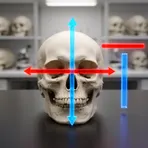
The percent of a skull's maximum width compared with its maximum length

- Specialized
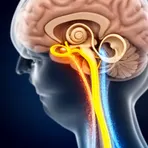
The nerve that carries sound and balance signals from the inner ear to the brain
- Specialized
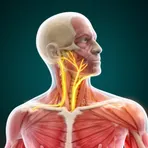
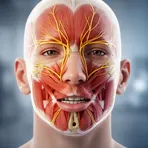
A main nerve in the face that carries feeling and controls chewing muscles
- Specialized
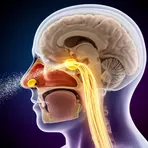
A nerve in the head that carries smell from the nose to the brain

- Specialized
A nerve that controls a top eye muscle and helps the eye look down
- Specialized
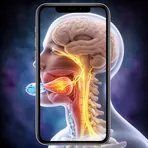
A brain nerve that helps you swallow, taste the back of the tongue, and move throat muscles
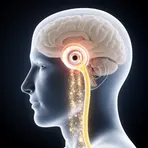
- Specialized
The nerve that carries visual signals from the eye to the brain
- Specialized
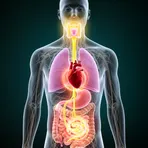
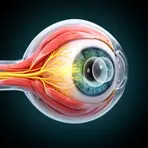
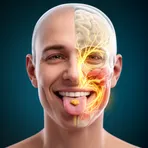
A nerve that helps control heart, breathing, voice, and how the body breaks down food
- Specialized
A nerve in the head that controls the muscles of the face and taste at the front of the tongue

- Specialized
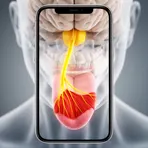
A part of the body that controls an eye muscle to move the eye outward
How Headward

Surface Forms
Morphology
Etymology
Cranial comes from the word cranium, which means 'skull' in Greek, so it is about the bones of the head. That's why cranial refers to the part of the skull that holds and protects the brain.