
civil
 ∞
3.4
∞
3.4

- adjective
- /ˈsɪvəl/
- Formal
- The city organized a civil forum to discuss community issues and improvements.
- civil rights
- civil war
- civil society
Loading YouTube…
Watch on YouTubeFear of civil wars and indeed, civil conflicts.
- Fear of civil wars and indeed, civil conflicts.
- Yes, he answered about civil war quote.
- But they've decided this is their new civil rights thing.
- He painted the entire corridor here of the Civil War murals.
- And he also has, Hunter does his own civil lawsuit against the IRS.
- I think they just settled the civil lawsuit.
- But let me give you another case, Civil Aviation.
- To this day, they're like Civil War reenactments.
- So we created a think tank which was called the Berlin Civil Society Center.
- You'd I don't think a the last civil war was largely over.
- We want a Republic founded upon true liberty, on civil liberty, on national representation.
Examples
-
The conflict itself isn't going on, but there is civil unrest still.
-
And so we continue to see civil society harassed by the NGO law.
-
And I think I, I really hope that our civil society can, can grow.
-
I wanna major in civil law.
-
I think they just settled the civil lawsuit.
-
Tomorrow, we will resume with the civil proceedings.
-
We have all worked in the women's movement and with civil society for many years.
Academic text (2011) -
It's the great legal wellspring of the modern civil rights revolution.
-
Days later, President Johnson signs the Civil Rights Act of 1968, prohibiting discrimination in housing.
Academic text (2011) -
The lawyer prepared for the civil trial that would determine the outcome of the dispute.
Synonyms
 149
3.2
149
3.2
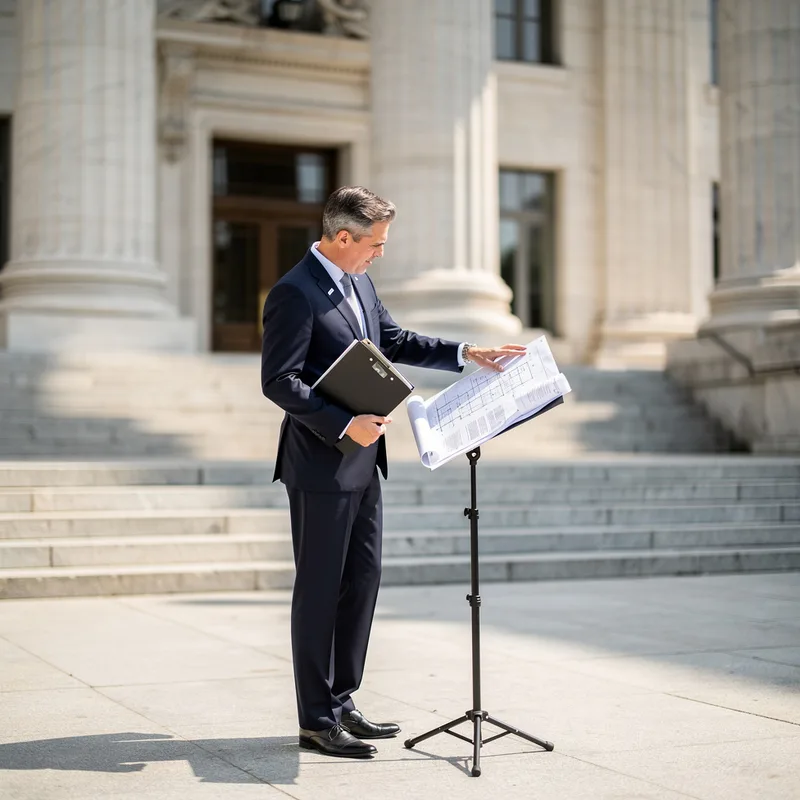
Relating to a city, its people, and their community duties
Compounds
 67
3.4
67
3.4
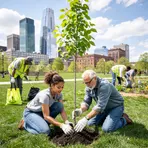
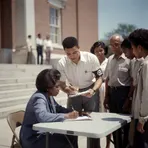
A mass movement in the United States in the 1950s and 1960s to win equal rights for Black Americans
 57
4.6
57
4.6
A basic right protected by law against unfair government action, like freedom of speech or religion
 35
2.7
35
2.7
A person who works for a government department in a long-term job and is not elected
- Specialized
35
3.9
A lawsuit between people or companies to get money for harm that is not criminal
 29
5.6
29
5.6
Refusing to follow some laws as a peaceful protest against unfair government actions


- Formal
19
3.0
Government workers who run public services, are not in the military or courts, and are usually chosen by exams
- US
18
3.9
A legal partnership between two people, often same-sex, that gives many marriage rights


 9
4.4
9
4.4
A civil war in Spain from 1936 to 1939 when General Franco overthrew the government


- Specialized
8
3.4
A person who designs and builds roads, bridges, and harbors for public use
 7
3.0
7
3.0
A war in the United States from 1861 to 1865 between the North and South over slavery and states' rights
 7
7.5
7
7.5
A person who supports strong personal rights and wants the government to not interfere in private choices

 5
3.2
5
3.2
A marriage ceremony carried out by a government official rather than a religious leader
- Specialized
4
3.5
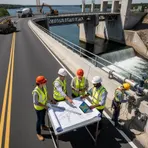
Work that plans, builds, and looks after public things like roads, bridges, and dams

- Formal
3
4.5
A person or group that has power over people's daily life, not the military

- Formal
1
8.6
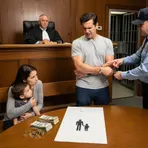
Failing to follow a court order that helps another person, causing fines or jail to make you obey


 1
6.0
1
6.0
A war in England from 1642 to 1651 between supporters of Parliament and the king that temporarily ended the monarchy


- Specialized

 1
8.1
1
8.1
An action or not doing something that harms another person and can lead to a lawsuit for money

- Archaic
Parliament gives money each year to pay official costs of the British royal family

- Archaic
A simpler form of the Cyrillic alphabet for printing books and papers that are not religious

- Formal
Official checking and blocking of civilian letters and films by the military during war


- Formal
A state in which a person loses most legal rights such as voting and owning property



A United Nations organization that makes rules for safe international air travel

A war in the United States from 1861 to 1865 between the Northern and Southern states
How Official

Surface Forms
Etymology
Civil comes from the Latin word civis, meaning 'citizen'. So civil also means 'relating to ordinary people or their laws', which is why we use it for non-military staff, 'civil' courts, and other official parts of society.